
Introduction
Country-wide economic reforms in Vietnam have led to rapid urbanization and economic growth over the last three decades. Market incentives have attracted US$187 billion in foreign investments and led to the development of 326 industrial zones encompassing more than two million acres (Ministry of Finance, 2018; Ministry of Planning and Investment, 2020; Nguyen et al., 2022). Government and industry have not kept up with the demand for affordable housing in Vietnam’s burgeoning industrial zones, however, and most workers live in amenity-deficient, unregulated rental housing with minimal access to public services (Nguyen et al., 2022). Informal peri-urban districts and low-quality housing pose potential environmental health risks, including lack of access to safe drinking water and sanitation, increased disease vectors, poor indoor air quality from dirty fuels or lack of cooking infrastructure, and high levels of outdoor air pollution from motor vehicles and industrial activities (Kjellstrom et al., 2007). Informal neighborhoods may also be less resilient to the risks of climate change such as heat waves, flooding, spread of infectious diseases, and changes in water availability (Satterthwaite et al., 2018).
These environmental health risks may exacerbate chronic health inequities among migrant workers, who are already subjected to long work hours and potentially hazardous working conditions. In one of the largest assessments of workers’ health in Vietnamese industrial zones to date, including 501 workers in five industrial zones on the outskirts of Hanoi, Nguyen et al. (2022) found that although workers reported an overall high perception of health, almost one in three workers exhibited some level of depression, and approximately 15 percent of workers were underweight. Female workers were also approximately twice as likely to be depressed and underweight, and they reported lower perceived health than male workers. Workers in the sample were generally young (mean age of 27.4 years) and had a tenure in the industrial neighborhoods of less than 3 years on average, which may explain the overall high self-reported health in the sample. Nevertheless, these findings suggest that, despite the economic opportunities afforded by Vietnam’s industrial zones, significant health risks remain.
Furthermore, Nguyen et al. (2022) found that using untreated water for cooking and using a ventilation fan in the home, which may draw outdoor air pollutants into the dwelling (S. Liu et al., 2021), were also marginally associated with increased likelihood of depression among female workers. Low-quality plumbing materials in informal housing districts increase the likelihood of lead and other metals in water supplies used for cooking and drinking water (Alaazi & Aganah, 2020; Hoponick Redmon et al., 2022). Evidence suggests that cumulative lead exposure in adults, especially among occupationally exposed workers, could lead to psychiatric symptoms, including depression (Shih et al., 2007). Specific studies have shown associations between higher bone lead levels and increased depressive symptoms in a sample of 803 South Korean workers (Schwartz et al., 2001), among older women in a sample of 617 US nurses (Eum et al., 2012), and among 2,280 US men (Rhodes et al., 2003). High levels of outdoor air pollution as measured by fine particulate matter (PM2.5) have also been shown to be associated with depression and anxiety in adults (Pun et al., 2017) and worse cognitive performance (Aretz et al., 2021; Cleland et al., 2022). These effects may be related to reduced physical activity and social contact in polluted areas, especially among older adults (Wang et al., 2020). Perceived air pollution may also contribute to poor mental health outcomes (Jacobs et al., 1984).
Knowledge gaps remain, however, around drinking water and ambient air quality in informal housing districts adjacent to Vietnam’s industrial zones. Little is known about cooking and drinking water quality in the communities where industrial workers live. One prior study evaluated the occurrence of lead and arsenic in municipal water supplies and private wells in peri-urban zones in central Hanoi (Wright-Contreras et al., 2017), but to our knowledge, no prior studies have assessed the occurrence of metals in drinking water sources of informal housing developments in Vietnam’s industrial zones. Modelling studies conducted in several metropolitan areas across the country, including Hanoi, Ho Chi Minh City, and Can Tho City, suggest high levels of ambient air pollution because of rapid urban and industrial growth, but particulate matter data at the community level are lacking (Bang et al., 2018; Hien et al., 2020; Ho et al., 2020; Ho & Clappier, 2011).
The goal of this study was to evaluate community-level ambient cooking/drinking water and ambient air quality in informal housing districts near Vietnam’s industrial zones to better understand the nature and extent of environmental health risks that workers experience in their neighborhoods. Specifically, we assessed household metals concentrations in available drinking water sources along with PM2.5 levels in neighborhood ambient air in four industrial zones to incorporate environmental concentration data with the survey-based study on worker health outcomes summarized in Nguyen et al. (2022). The results provide additional insight into the environmental risks these communities face, and community groups, local industries, and policymakers may use these results to inform decision-making around protecting workers’ health in Vietnam.
Materials and Methods
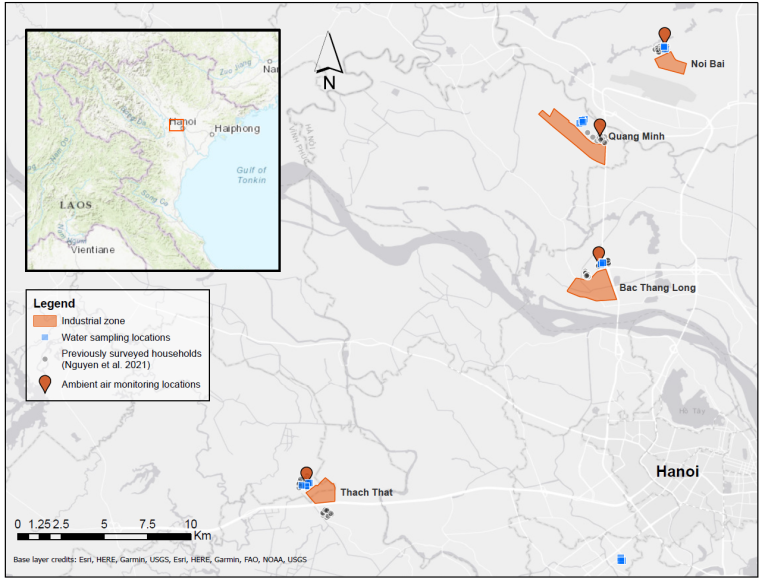
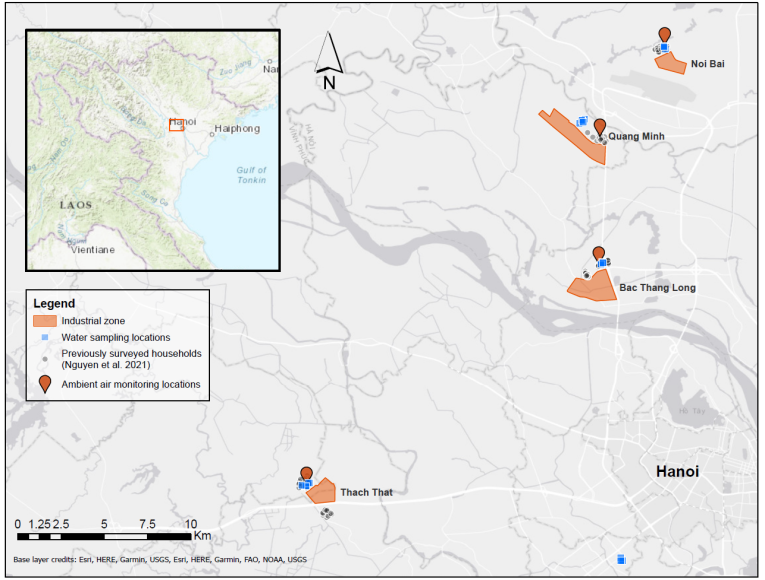
We collected individual surveys for 501 people, as previously described in Nguyen et al. (2022), and bolstered this survey data with the collection of household-level drinking and cooking water quality data for 25 households, along with ambient air quality data in four informal housing developments adjacent to industrial zones on the outskirts of Hanoi, Vietnam (Figure 1; also see Figure S1 in the supplement to this article, which can be found at https://doi.org/10.5281/zenodo.18019157. Three of the four industrial zones studied (Noi Bai, Quang Minh, and Bac Thang Long) are north of Hanoi and the Red River in peri-urban areas with dense housing developments surrounded by agricultural land. Households in the Noi Bai area are approximately 1 mile from the Noi Bai international airport. The fourth industrial zone, Thach That, is due west of Hanoi, also in a peri-urban landscape. For comparison, we collected additional drinking water samples from a residential neighborhood in Hanoi not near any industrial activity. Site selection, sample collection, and analysis methods are detailed below.
Survey Data
Survey Collection
Nguyen et al. (2022) describes survey data collection methods in detail. Briefly, we recruited 501 workers living in informal housing in industrial zones of Hanoi, Vietnam, between June 1, 2019, and July 30, 2019, who were interviewed by researchers who spoke Vietnamese. Information collected in the survey instrument included sociodemographics, occupational environment, housing and neighborhood conditions, indoor air quality, drinking and cooking water sources, transportation and mobility, social capital, and physical and mental health. This survey portion of this research was conducted in Vietnam in collaboration with faculty at the National University of Civil Engineering and researchers at the Vietnam Academy of Social Sciences’ Institute of Sociology and followed required ethical protocols for Vietnam. This involved receiving permission from the industrial zone management board and local government officials to approach households in the five industrial zones in Hanoi, Vietnam, to conduct surveys. The Institute of Sociology’s internal ethics committee granted ethical approval. We obtained verbal informed consent from all participants before administering the questionnaire, and we did not collect identifying personal information.
Survey Data Analysis
In this study, we analyzed only survey data for participants living in industrial zones where water quality data and/or ambient air data were also collected (n = 397). Health variables used in statistical analyses in this study included (1) a 12-item depression index adapted from the 10-item CES-D (Center for Epidemiological Studies Depression Scale Index) (Melchior et al., 1993) to be contextually relevant to the Vietnamese population, (2) the number of doctor’s visits (including visits to a doctor, hospital, or pharmacy) within that last 12 months, and (3) a self-reported health score in which workers were asked about their health relative to others in their age range. Scores of 12 or more on the depression index were indicative of depression symptoms, and self-reported health scores ranged from 1 (very poor health) to 10 (perfect health). We calculated analyses of variance (ANOVAs) in R Statistical Software (R Core Team, 2024, version 4.4.1) using health indicators as the dependent variables and location as the independent variable while adjusting for gender as a confounder. Statistical significance was reported as p < .05.
Water Quality Data
Site Selection and Sample Collection
We collected water samples from different water sources in each industrial zone, including the following:
Bottled water. Bottled water is commonly purchased for household drinking water from water delivery businesses and local stores in 5-gallon jugs. The actual water source and treatment technique for each sample is unclear, as water source labeling and verification is not necessarily included.
Public water supplies. Government-owned water utilities provide water service to most of Hanoi, with some water lines extending to peri-urban areas and industrial zones (Wright-Contreras et al., 2017). These systems may draw from both groundwater and surface water, depending on the zone within the city, and the water is piped into the household.
Private wells. Where public water supplies do not exist, informal housing developments rely on privately owned and operated wells, which often supply drinking water for multiple shared rental units within a single dwelling. Even where public water supplies exist, many households still rely on privately owned and operated wells for domestic water use for aesthetic water quality preferences, mistrust, or concerns around the cost of public water (Wright-Contreras et al., 2017). The water from these wells is typically piped into the household.
We collected samples from all types of water used in the household from five households in each zone, with five additional households from a central Hanoi neighborhood for comparison, resulting in participation from 25 households (Figure 1, Figure S1).
We identified participating survey households that were subsequently willing to participate in the water sampling through door-to-door visits. At each residence, participants specified what sources they used for drinking and cooking and other domestic uses. All but one household used bottled water purchased in 5-gallon jugs along with either public water or a private well. Bottled water was used for drinking in most cases, with piped water from public water supplies or private wells used for other household uses and cooking typically. We sampled the main piped supply (whether from the public utility or a private well) and the bottled water or bottled water dispenser (where applicable) in each household for a total of 49 samples, of which 24 were bottled water, 21 were from public water supplies, and four were from private wells. All water sources were sampled with 250 mL HDPE bottles at the time of the visit (i.e., random daytime sampling [Riblet et al., 2019]). Random daytime sampling has been found to provide mean lead levels in household water taps that are closest to true exposure and are sensitive to water use patterns (Lytle et al., 2021; Riblet et al., 2019).
Laboratory Analysis
Water samples were transported to RTI International (RTI) in Research Triangle Park, North Carolina, USA, and analyzed for a suite of 21 metals using inductively coupled plasma-mass spectrometry according to US Environmental Protection Agency (EPA) Method 200.8 (Hoponick Redmon et al., 2022; US EPA, 1994). All samples were acidified with nitric acid to a pH of less than 2 upon receipt at RTI laboratories and held for a minimum of 16 hours. Samples were analyzed directly if the turbidity was less than 1 NTU. For turbid samples >1 NTU, a separate digestion process was followed before analysis, per EPA 200.8, to determine the total recoverable material. The limit of detection was defined as the standard deviation of reagent blank concentrations for each analyte multiplied by the Student’s t-value at 99 percent confidence interval (Table S1). The estimated limit of quantitation was defined as the lowest calibration standard concentration level for each analyte (Table S1).
Water Quality Data Analysis
We analyzed water quality results for exceedances above the World Health Organization (WHO) guidelines for drinking water quality (WHO, 2022), the Vietnamese domestic water quality standards (Ministry of Health, 2024), and the US EPA’s primary and secondary drinking water standards (US EPA, 2024a, 2025) (Table S2). For lead in particular, these organizations established a drinking water standard or provisional guideline of 10 ppb; however, the American Academy of Pediatrics (AAP) has set a lower drinking water recommendation for lead of 1 ppb (AAP, 2016). We conducted Wilcoxon rank sum tests to assess statistical differences in water quality between water source types (bottled, public supply, or private well water) and between housing districts. We calculated Spearman’s rank correlations to valuate relationships between pairs of metals. We conducted these analyses in R Statistical Software (R Core Team, 2024, version 4.4.1), and statistical significance was reported as p < .05.
Air Quality Data
Site Selection and Sensor Deployment
We deployed portable air quality monitors (PurpleAir PA-II) to monitor particulate matter over time in each industrial zone. Monitors were deployed on the roof of a house or on a fence at the central location of each participating neighborhood after obtaining permission to place the monitor there and monitor electricity and internet use. The data collection period varied by zone, with monitors deployed at different starting times between December 2018 and December 2019 and continuing until January 2021 (Table 1; photos in supplement Figures S5A-S5D).
Air Quality Data Analysis
We extracted ambient air PM2.5 data from each PurpleAir sensor’s internal storage. The sensor collects data at approximately 90-second intervals. We then aggregated the data to calculate hourly, 24-hour, and annual averages over the monitoring period for each site. We ensured data quality by comparing the 24-hour average results from the two independent laser-counter channels within the PurpleAir devices (Figure S2). The two channels showed near-perfect agreement (r = 1.0) across three sites (Noi Bai, Quang Minh, and Thach That) and good agreement (r = 0.7) from the Bac Thang Long sensor apart from two outliers, which we removed from the dataset for subsequent analyses because of suspected sensor error. We used a nonparametric Kruskal-Wallis test to look for statistical differences between ambient PM2.5 levels in the four industrial zones. We compared the 24-hour averages to the US EPA’s National Ambient Air Quality Standards (NAAQS). The US EPA NAAQS regulate ambient air PM2.5 in the United States for public health protection according to both annual and 24-hour averaging times. Annual PM2.5 levels are required to be less than 12 µg/m3, and the 98th percentile value of 24-hour PM2.5 values must not exceed 35 µg/m3 (US EPA, 2006). We also compared PM2.5 results to the US EPA’s Air Quality Index (AQI) to evaluate health risk, which calculates an index and a corresponding level of concern for different air pollutants (US EPA, 2018).
Results and Discussion
Water Quality
Drinking Water Exceedances
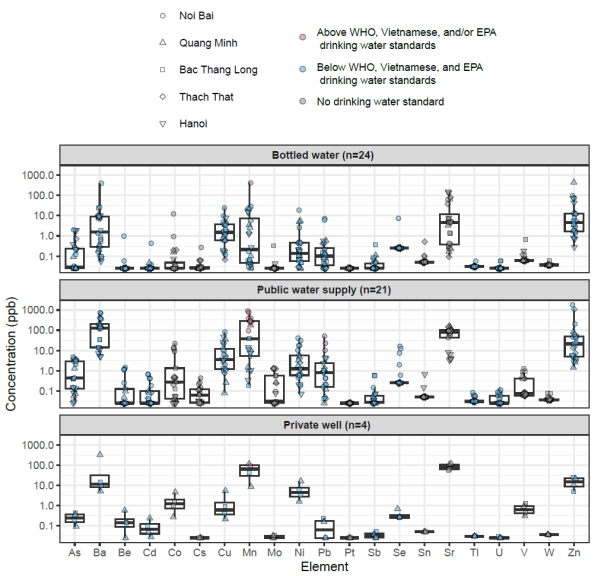
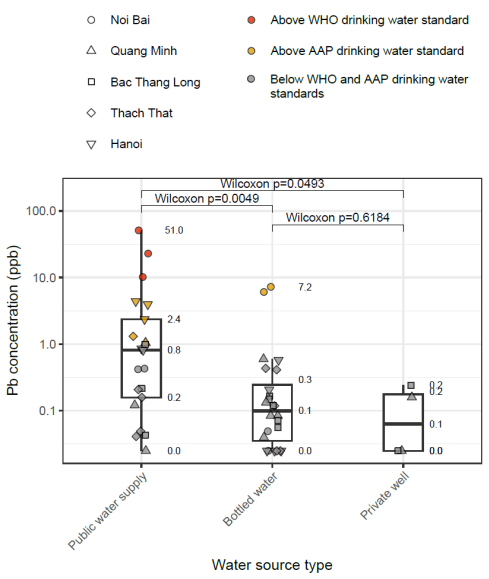
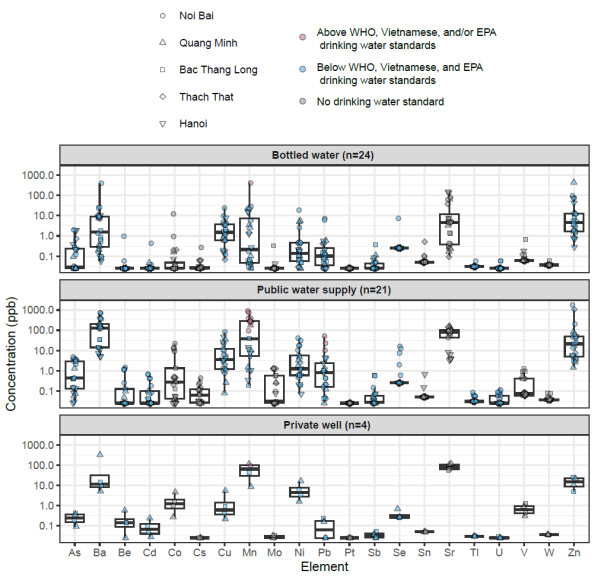
Metals can be present in water systems and wells from sources like natural water (e.g., arsenic) and water infrastructure (e.g., lead). In this study, 94 percent of household water samples met WHO or Vietnamese drinking water standards (Figure 2). Lead was the only metal exceeding the WHO recommended drinking water limit, with 6 percent (n = 3) of household samples surpassing the 10 ppb limit (Figure 2). However, 20 percent (n = 10) of household samples exceeded the lead drinking water reference level used by AAP of 1 ppb (Figure 3). Worldwide health organizations caution that there is no safe level of lead exposure, particularly for children. Even at low levels (< 5 µg/dL), lead exposure can have significant adverse effects on children’s IQ scores and neuropsychological development, resulting in decreased lifetime earnings and country-wide economic productivity (AAP, 2016; Boyle et al., 2021; Grosse et al., 2002).
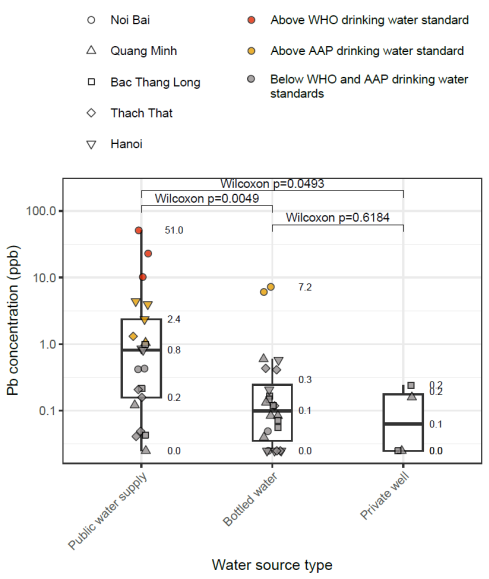
All lead exceedances detected were from taps in households served by the Noi Bai public water system, potentially indicating a higher prevalence of lead-bearing plumbing in this area, a more-corrosive source water, or both. Wright-Contreras et al. (2017) have shown that public water systems throughout the Hanoi metropolitan area draw from a variety of surface and groundwater sources, which may have different source water characteristics and variable corrosion risks, creating unique hotspots of risk for certain water contaminants depending on the source water quality, water chemistry, and local infrastructure. For example, Hoponick Redmon et al. (2022) showed how specific zones across Guatemala City served by groundwater sources had elevated arsenic concentrations in household tap water compared with zones served by surface water. Concentrations of arsenic and other elements in groundwater varied with well depth and along geologic features throughout the Red River delta region where Hanoi is located (Winkel et al., 2011), which could similarly be reflected in household tap water across the industrial zones. The water samples from Noi Bai showed a strong correlation between lead and zinc (ρ = 0.93, p < .001), but only a weak correlation between lead and copper (ρ = 0.40, p = .291). This pattern indicates that brass fittings are likely the main source of lead in the drinking water, rather than corrosive water conditions (Bradham et al., 2023; Pieper et al., 2015). Although the limited sample size in this study does not allow for a conclusive determination of a water lead hotspot or source determination in the Noi Bai zone, these results could be used as an initial screening for further investigation in the area.
As no amount of lead in drinking water is considered safe, it is notable that 81 percent (n = 17) of all household samples from public water systems had detectable lead above 0.025 ppb, and 38 percent (n = 8) had lead levels above the AAP’s reference level of 1 ppb (Figure 3). Household samples from private wells showed the lowest lead levels overall (median = 0.1 ppb), but the number of samples from private wells was low (n = 4). Private well water has shown to be a significant risk factor for elevated lead levels elsewhere, and thus, the small sample size in this study limits us from further characterizing elevated cases (Gibson et al., 2020; Hoponick Redmon et al., 2022; Mulhern et al., 2023). No significant difference was observed in the median water lead concentrations from public water systems serving the four industrial zones (median = 0.15 ppb) compared with the non-industrial neighborhood of Hanoi (median = 0.70 ppb; Figure S3). The 90th percentile value among all public water supply samples was 10.2 ppb, which would exceed the US EPA’s 10 ppb trigger level under the Lead and Copper Rule requiring corrosion control treatment/optimization (US EPA, 2024b).
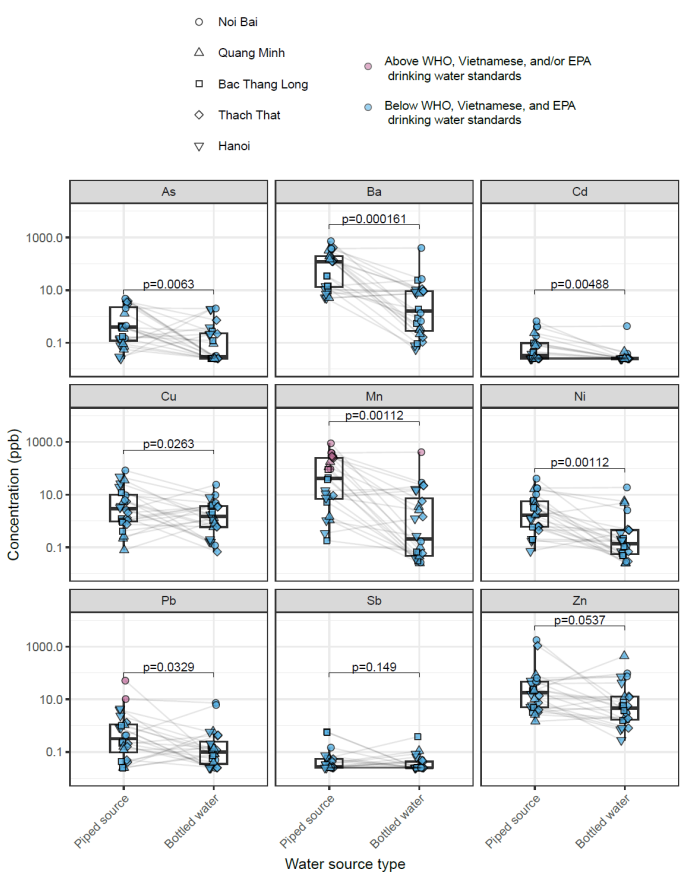
Manganese was found above the Vietnamese domestic water quality standard of 100 ppb in 22 percent (n = 11) of samples overall and 43 percent (n = 9) of households served by public water systems (Figure 2). Manganese was also found above the WHO’s guideline of 80 ppb and the US EPA’s Secondary Maximum Contaminant Levels (MCLs) of 50 ppb in 27 percent (n = 13) of samples overall and 48 percent (n = 10) of households served by public water systems (Figure 2). All public water samples in Noi Bai exceeded the nuisance levels established by the US EPA’s Secondary MCL, which can cause black staining, sediment, and undesirable metallic taste. Public water in Noi Bai again showed the highest concentrations, with a significantly higher median concentration than Bac Thang Long and Hanoi (Wilcoxon rank sum test, p < .05; Figure S4).
In addition to the elevated lead levels, high manganese results in the Noi Bai district further indicate potential source water challenges in the Noi Bai water system. Water system distribution maps of Hanoi developed by Wright-Contreras et al. (2017) indicate that Noi Bai is likely served by a groundwater source. Groundwater in urbanized areas has been shown to have greater manganese concentrations than nonurbanized areas, potentially because of human activities that increase manganese mobilization from the soil (Lü et al., 2022; McMahon et al., 2018). One bottled water source and two of the four private wells samples also had elevated manganese concentrations above WHO, Vietnamese, and US EPA drinking water standards (Figure S4). All other metals were either below allowable health limits or do not have relevant health standards for drinking water.
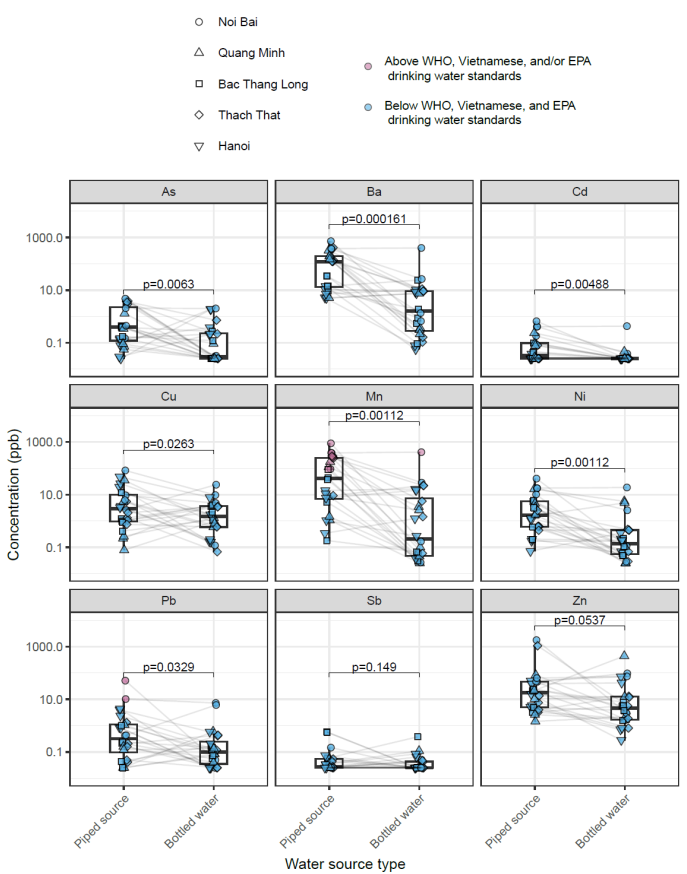
Bottled Water Comparison
Overall, bottled water samples showed significantly lower concentrations of metals than each household’s alternative piped water supply (either from a public system or private well) (Figure 4). The median lead level in bottled water samples was 0.10 ppb, whereas the median in public water samples was 0.8 ppb. Notably, however, 75 percent of bottled water samples (n = 18) had detectable lead, with two households in Noi Bai having up to 6.1 and 7.2 ppb of lead in bottled water. Six households (24 percent) also had higher lead concentrations in their bottled water supply than in their household’s piped supply. Five households (20 percent) also had higher arsenic concentrations in their bottled water than in their piped water, although even the highest arsenic levels were low (< 2 ppb) compared with the WHO limit of 10 ppb. However, the US EPA set a MCL Goal for arsenic to 0 based on lifetime exposures and health effects, underscoring that, similar to lead, there is no safe level of arsenic (US EPA, 2024a). One bottled water sample from the Noi Bai district had 413 ppb of manganese, 4 times the Vietnamese domestic water quality standard and 8 times the US EPA Secondary MCL, and comparable to the mean manganese concentration from households served by the surrounding public water system (Noi Bai public water supply mean = 327 ppb). These findings notably indicate the possible resale of tap water by bottled water suppliers without additional treatment.
Ambient Air Quality
PM2.5 Levels and Health Risks
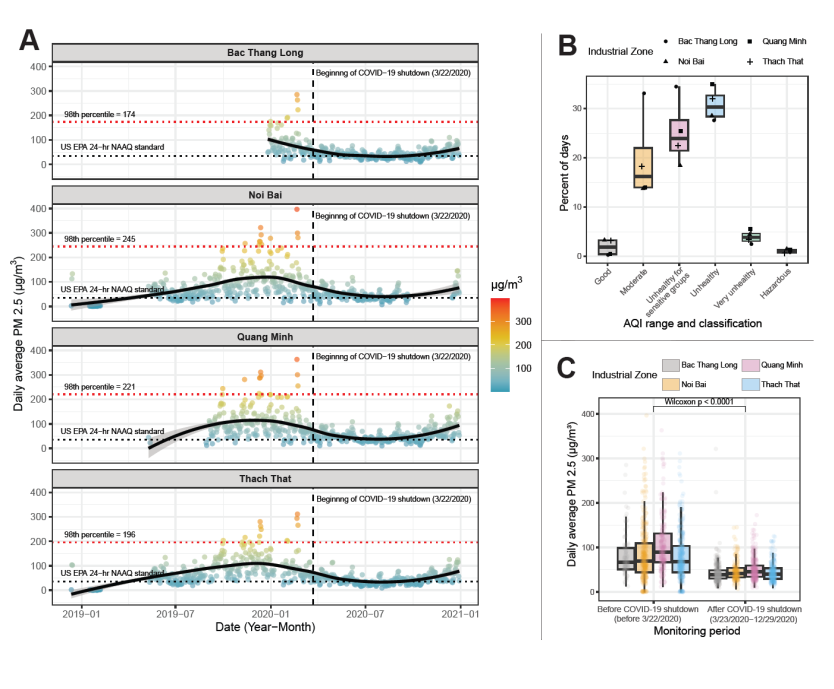
Ambient air PM2.5 results indicate poor air quality in the four neighborhoods near industrial zones. PM2.5 levels were statistically different across the four industrial zones (Kruskal-Wallis test, p < .0001). All four industrial zones failed the US EPA’s NAAQS for 24-hour PM2.5 concentrations, with 98th percentile 24-hour PM2.5 values between 174 and 245 µg/m3. Overall, 66 to 82 percent of days were above the US EPA NAAQS 24-hour PM2.5 limit of 35 µg/m3 across the four sites (Figure 5). The long-term average PM2.5 concentrations at each zone were also well above the US EPA NAAQS annual average PM2.5 limit of 12 µg/m3. Considering the entire monitoring period (between 369 and 748 days; Table 1), average daily PM2.5 concentrations ranged from 52.6 µg/m3 at Bac Thang Long to 74.6 µg/m3 at Quang Minh; median daily PM2.5 concentrations ranged from 42.5 to 56.8 µg/m3 (Table 2).
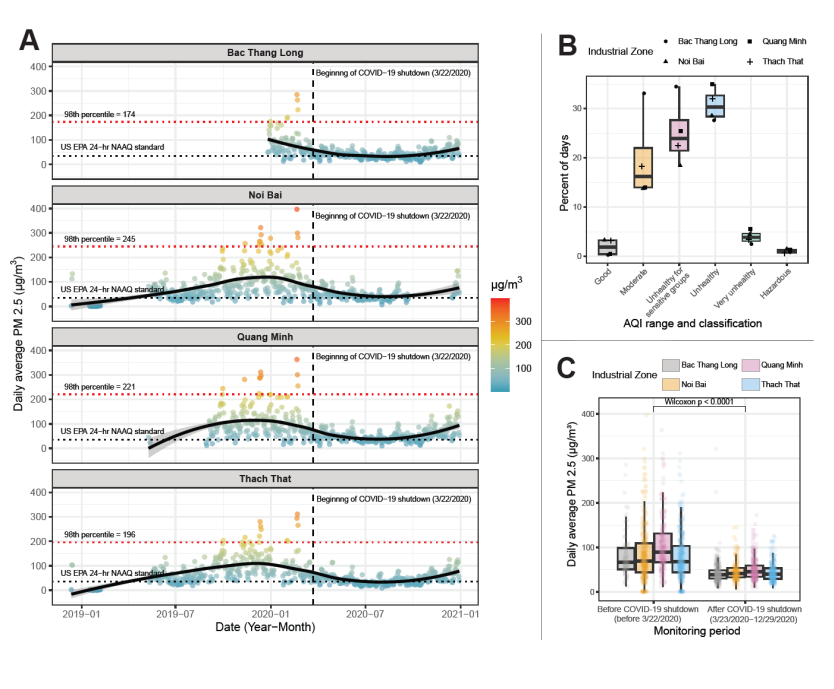
On average, 56 percent of monitoring days had AQI designations of either “Unhealthy” (151 to 200) or “Unhealthy for sensitive groups” (101 to 150) across the four zones, with a maximum of 62 percent of days at Bac Thang Long (Figure 5B). Long-term exposure to PM2.5 has been shown to be associated with increased all-cause mortality risk (Fann et al., 2012; Li et al., 2018; Yang et al., 2020), as well as onset of asthma in children and other respiratory tract diseases (Q. Liu et al., 2017; Tetreault et al., 2016). The PM2.5 levels observed thus represent a severe health risk for Vietnamese industrial workers and their families. Indeed, the AQI recommendations for “Unhealthy” days state, “People with heart or lung disease, older adults, children, and people of lower socioeconomic status should avoid prolonged or heavy exertion; everyone else should reduce prolonged or heavy exertion” (US EPA, 2018). Only 1.8 percent of days, less than 7 days per year on average, showed “Good” (0 to 50) air quality based on PM2.5 concentrations. Approximately 5 percent of days were classified as “Very unhealthy” (201 to 300) or “Hazardous” (301 to 500).
Effect of COVID-19
The air quality monitoring period also overlapped with the start of the COVID-19 pandemic. Notably, a significant decrease in PM2.5 concentrations was observed at all four industrial zones after the Vietnamese government implemented its nationwide lockdown procedures. For this analysis, we considered the beginning of the COVID-19 lockdown to be March 22, 2020, when the Vietnamese government suspended entry of all foreigners into the country (Dezan Shira & Associates, 2022). From March 23, 2020, to December 29, 2020, approximately encompassing the first and second waves of COVID-19 infections in the country, median daily PM2.5 concentrations around the four industrial zones decreased by 44 percent, from 73 to 41 µg/m3 (Wilcoxon rank sum test, p < .0001; Figure 5C). The proportion of days categorized as “Unhealthy” after the shutdown also decreased from 43 to 21 percent on average. All four zones showed a consistent pattern in daily PM2.5 reductions after March 23, 2020, likely because of reduced manufacturing and vehicle traffic during the shutdown, fewer deliveries because of supply chain shortages and delays, and fewer international visitors during the COVID-19 related border closure (Figure 5A).
Daily PM2.5 concentrations started to increase again in all four zones in December 2020, perhaps because of increasing activity after Vietnam was thought to have successfully controlled the first two waves of COVID-19 in the country (Minh et al., 2021; Pollack et al., 2021). Notably, in the period during the COVID-19 shutdown, the 98th percentiles of 24-hour PM2.5 levels still exceeded the US EPA’s NAAQS at all four zones, with values ranging from 93 to 129 µg/m3, indicating that certain significant air pollution sources remained even during reduced operations. Thus, although reductions in PM2.5 during the COVID-19 shutdown may have contributed to some health benefits among the estimated 4.8 million workers in Vietnam’s industrial zones (Nguyen et al., 2022), significant risks remained for sensitive populations. Households also burn coal, wood, or both for heat during the winter, as there is no central heating in informal housing, so this also may have played a role in increased PM2.5 levels during the winter of 2020–2021.
Daily Variability
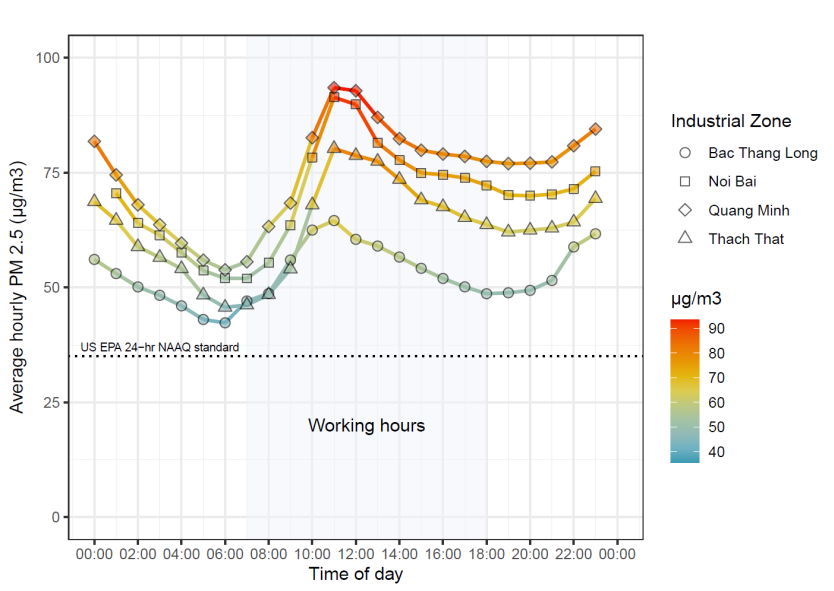
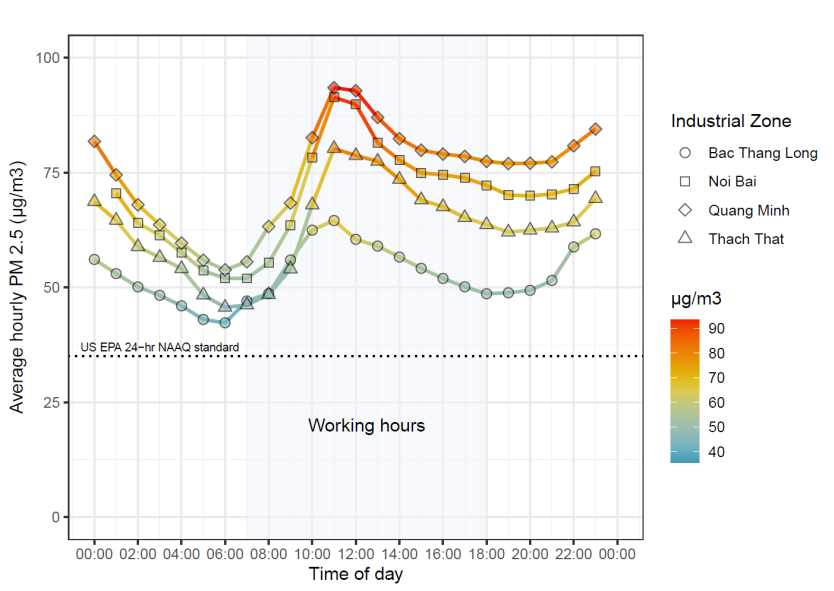
PM2.5 levels also fluctuated significantly according to the time of day (Figure 6). Average hourly concentrations over the course of the study at each industrial zone showed a similar pattern with peak concentrations occurring around midday, between 11:00 a.m. and 1:00 p.m., when workers break for lunch, suggesting a significant lunch-hour effect on neighborhood-level air quality. PM2.5 levels were higher during daytime shift working hours (approximately 7:00 a.m. to 6:00 p.m.), but an additional peak was consistently observed around 11:00 p.m. to midnight before levels decreased from midnight to 6:00 a.m. Overall, hourly average PM2.5 concentrations were all above the US EPA 24-hour NAAQS limit of 35 µg/m3 at all four zones.
Sociodemographics and Health
Nguyen et al. (2022) describes overall population characteristics and health outcomes for industrial workers living in the neighborhoods of Hanoi. Workers across all neighborhoods generally reported being healthy. Table 3 disaggregates descriptive statistics for sociodemographic characteristics and health indicators in our study by geographic region.
Variations in the sociodemographic composition of workers across the four industrial zones, along with observed differences in air and water quality, indicate possible environmental justice issues. The average age of workers was highest in Noi Bai (31 years), and the lowest average age was in Bac Thang Long (26 years). Bac Thang Long had the highest percentage of workers with less than a high school education (85 percent), and workers had the longest average length of employment in Noi Bai (76 months). Bac Thang Long and Quang Minh had the highest percentages of female workers (68 and 64 percent, respectively). Nguyen et al. (2022) found that women in this population of migrant workers were more likely to have depressive symptomology, had more doctor’s visits per year, and had lower self-reported health relative to men. This disparity could be linked to the larger percentage of female workers in zones with the highest mean PM2.5 levels (Quang Minh) and highest percentages of days designated “Unhealthy” or “Unhealthy for sensitive groups” (Bac Thang Long). Quang Ming and Noi Bai, with the highest average PM2.5 levels, had more surveyed homes with children under 18. Noi Bai also had higher levels of lead and manganese in water samples, further indicating increased risks for children’s health based on where the workers lived.
Our findings suggest that geographic differences in air quality and water quality may be associated with workers’ health indicators. When adjusted for gender, the three health indicators showed statistically significant differences based on location. The lowest average self-reported health score was reported by workers in Noi Bai, where higher lead and manganese in water and the second highest average PM2.5 were observed. Conversely, workers in Bac Thang Long and Thach That, where lower average PM2.5 levels were measured, had higher self-reported health scores on average. Workers in Quang Minh, where the highest average PM2.5 in our study was observed, had the highest average number of doctor’s visits over the previous year. Quang Minh and Bac Thang Long, which had the highest mean PM2.5 levels (Quang Minh) and highest percentage of days designated “Unhealthy” or “Unhealthy for sensitive groups” (Bac Thang Long), also reported higher average depression index scores. Although this study presents descriptive community-level connections between workers’ health and environmental risks, only a small number of participants who completed health surveys provided household water samples. To fully understand and statistically evaluate any linkages between household water quality, air quality, and health outcomes for workers in these industrial zones, a larger-scale environmental sampling campaign would be needed.
Conclusions
This study evaluated drinking water quality and ambient air in informal housing developments surrounding four of Vietnam’s industrial zones on the outskirts of Hanoi. Environmental exposures in informal urban districts represent a potentially significant but understudied health risk for Vietnam’s migrant worker community. Our findings suggest that the major health hazards in these communities came from lead and manganese in drinking water, as well as ambient air PM2.5 levels. Geographic differences in sociodemographics, health indicators, water quality, and air quality suggest possible connections between where workers live and health outcomes for them and their families.
Lead-bearing plumbing appears to be prevalent across Hanoi’s water distribution system; this issue could be addressed through improved corrosion control and stricter standards for low-lead plumbing materials at the governmental level (Bauza et al., 2023). Additionally, air pollution above healthy levels is common and linked to respiratory distress as well as depression and anxiety. Together, these findings connect neighborhood environmental quality risks with the elevated level of depression experienced by workers previously surveyed by Nguyen et al. (2022). Because Vietnam’s economic growth has largely relied on rapid industrialization, improving drinking water quality and curbing emissions from designated industrial zones could have significant effects on workers’ health (Huang et al., 2014).
Additional research should be conducted to identify why bottled water sources may contain elevated lead—whether water is bottled without any filtering (contrary to its labeling), ineffective filtering techniques or products are being used, or lead-containing plumbing components are in the water supply following filtering. Organic contaminants and microplastics could also be evaluated in subsequent work to evaluate other potential health risks from consumption of water from different sources for these workers. Although our study was limited by the small number of water samples and air sensors deployed, preliminary insight into the nature and degree of environmental hazards in these communities is an important first step toward healthier cities, public well-being, and a resilient workforce.
Author CRediT Statement
Jennifer Hoponick Redmon: Conceptualization, Methodology, Formal analysis, Investigation, Resources, Writing–original draft, Writing–review & editing, Supervision, Project administration, Funding acquisition. Nikki DeLuca: Formal analysis, Data curation, Writing–review & editing, Visualization. Riley Mulhern: Formal analysis, Data curation, Writing–original draft, Writing–review & editing, Visualization. Mai Thi Nguyen: Conceptualization, Data curation, Investigation, Writing–review & editing, Supervision, Project administration, Funding acquisition. Tho Tran: Software, Investigation, Writing–review & editing, Project administration. Keith Levine: Resources, Funding acquisition. Andrea McWilliams: Methodology, Validation. Frank Weber: Formal analysis, Project administration. Laura Allen: Project administration, Writing–review & editing.
Declaration of Interest
This study was funded with an internal RTI research grant. The authors declare no conflicts of interest.
Data Availability Statement
The data supporting the current study are available from the authors upon reasonable request.
Acknowledgments
We acknowledge the following people for their contributions to the project: Dr. Lan-Huong Le, Ms. Trang Nguyen Thuy (Department of Architecture Technology, Hanoi University of Civil Engineering, Ha Noi, Vietnam), Dr. Vu Linh Chi Hoang (Institute of Sociology, Vietnam Academy of Social Sciences, Hanoi, Vietnam), and Prakash Doraiswamy (formerly of RTI International) for air monitors. The success of this initiative would not have been attainable without the invaluable support of students, community leaders, and the cooperation of local households in granting permissions for air monitor placements and sample collections. We thank Madison Lee (RTI International) for her help with data compilation during manuscript revisions, and we thank two anonymous reviewers for their helpful insight and feedback that improved the manuscript.