
Introduction
Improved seed has long been a strategy for increasing agricultural productivity, notably during the Green Revolution, contributing to higher yields of major cereal varieties (Pingali, 2012). Research has shown that improved varieties can increase yields and support broader economic gains, but effects are often contingent on complementary inputs, the overall seed system, extension services, and relevance to local ecological and social context influencing the agriculture system (Evenson & Gollin, 2003; Gollin et al., 2021; Muyanga & Jayne, 2019). Past research has documented persistent challenges to adoption in sub-Saharan Africa, including limited availability, lack of affordability, and variable farmer demand. Within this context, this study examines whether access to improved maize and wheat seed through the support of a donor-funded program in Oromia and Central Ethiopia was associated with adoption, higher productivity, and farmer satisfaction
Agriculture remains the backbone of Ethiopia’s economy, supporting the livelihoods of most rural households and contributing significantly to national food security, employment, and economic growth. Improving farmers’ access to high-quality certified seed is a critical pillar of Ethiopia’s agricultural transformation agenda, particularly for increasing crop productivity, strengthening resilience to climate shocks, and improving rural incomes. In addition, access to improved seed plays a critical role in improving crop quality and strengthening household food security. Improved seed varieties are often associated with higher yields, better resistance to pests and diseases, improved adaptation to changing climatic conditions, and stronger market demand (CGIAR, 2025; Hussein & Toru, 2024; Mengistu et al., 2025).
However, smallholder farmers in Ethiopia continue to face multiple challenges in accessing and using quality seeds because of limited availability, high input costs, weak financing systems, inadequate extension support, and disrupted agricultural markets (Agricultural Transformation Agency, 2023; Food and Agriculture Organization (FAO), 2024). Shortages of improved seed, particularly hybrid varieties, remain a major bottleneck across the agricultural sector (Makate et al., 2024). This challenge has been especially evident in hybrid maize production, where national demand significantly exceeds available supply. Declining seed production caused by insecurity in major seed-producing areas, shortages of parental lines, and disruptions within agricultural systems have further constrained farmers’ access to improved technologies. Similarly, wheat seed production systems continue to face challenges related to disease pressure, limited access to pesticides, and inadequate technical support for seed multiplication and certification processes.
The Government of Ethiopia has prioritized wheat as a strategic commodity for achieving food security, reducing import dependence, and generating export earnings through the expansion of irrigated wheat production, commercial cluster farming, mechanization, and the promotion of improved wheat varieties. The National Wheat Seed Roadmap emphasizes that improving farmers’ access to high-quality seed of improved varieties is essential for increasing productivity, strengthening resilience to climate change and diseases, and ensuring sustainable growth of the wheat sector (Ethiopian Institute of Agricultural Research (EIAR), 2024).
Despite notable progress, wheat productivity continues to face challenges related to climate variability, wheat rust diseases, limited access to quality seed, rising input costs, and inefficiencies in input supply systems. To address these constraints, the government has promoted improved wheat varieties with traits such as higher yield potential, disease resistance, drought tolerance, heat tolerance, and adaptation to irrigation systems (Ethiopian Institute of Agricultural Research (EIAR), 2024). Similarly, USDA (United States Department of Agriculture (USDA), 2026) reports that Ethiopia’s continued growth in wheat production is largely driven by the expansion of irrigation, wider adoption of improved seed, mechanization, strengthened extension services, and commercial cluster farming. Wheat production in Ethiopia is projected to increase from 6.5 million metric tons in 2025/2026 to 7.0 million metric tons in 2026/2027, highlighting the critical role of improved seed and complementary technologies in enhancing wheat productivity (United States Department of Agriculture (USDA), 2026).
In line with this national priority to improve access to improved seed, the Feed the Future Ethiopia Transforming Agriculture (ETA) activity aims to increase access to healthy diets, particularly for women and children, by strengthening the agriculture and food system. ETA is funded by the U.S. Government and implemented by RTI International. ETA’s strategies include increasing the supply of nutritious foods; improving food security, safety, and quality; promoting enterprise growth and employment; and advancing inclusive public-private partnerships. Through these strategies, the activity advances its goal of making safe, diverse, and nutritious foods more available, affordable, convenient, and desirable while improving the competitiveness, inclusiveness, resilience, and sustainability of Ethiopia’s agricultural system. The research team and authors are staff of RTI involved in implementing the activity and measuring progress toward the activity goal.
Recognizing the value and importance of increasing supply and accessibility of improved crop seeds, ETA has implemented a range of integrated interventions aimed at strengthening seed systems and improving farmer access to quality inputs. ETA applied a market systems approach to improve the availability, access, and adoption of improved agricultural technologies. Rather than focusing on direct, large-scale distribution of free inputs to farmers, ETA worked through private seed enterprises, cooperative unions, agro-dealers, research institutions, and producer organizations to strengthen local input supply systems and expand access to certified seed and other agricultural inputs. The activity co-invested with seed companies, cooperative unions, and public institutions to support local seed multiplication and distribution systems. Through partnerships with two farmers’ cooperative unions (Limu Inara Union in Western Ethiopia and Meki Batu Union in Central Ethiopia), the Government of Ethiopia’s Agricultural Business Corporation, and several seed multiplication cooperative unions, ETA engaged smallholder farmers in hybrid maize and wheat seed multiplication schemes to increase local seed availability and improve productivity.
ETA provided capacity-building support, technical assistance, business development services, market linkages, and in some cases, financial and material support to seed multiplication partners and out-grower networks to increase local production and distribution of certified seed. Through these partnerships, seed enterprises and cooperative unions produced, processed, certified, and marketed improved seed varieties, and demonstration plots, field days, and training activities promoted farmer awareness and adoption. ETA also supported the development of sustainable input supply channels by strengthening relationships among seed suppliers, cooperatives, agro-dealers, commercial buyers, processors, and financial institutions, thereby improving long-term availability of quality agricultural inputs beyond the life of the activity.
ETA focused on maize and wheat crops because they are among the major staple food crops and play a significant role in improving household food availability and food security. Increasing the production and productivity of these crops contributes not only to improved farmer income but also to better access to nutritious foods through increased purchasing power. In addition, supported farmers received training on nutrition and dietary diversification, including the importance of nutritious foods for women and children. Therefore, although the study focused on two cereal crops, the intervention indirectly contributes to improved dietary outcomes and nutrition through enhanced food security, income generation, and increased awareness of nutritious food consumption.
In addition to improved seed, ETA supported farmers’ access to complementary technologies and inputs, including blended fertilizers, crop protection products, mechanization services, and climate-smart technologies, through ETA-supported partners and service providers. The activity combined access to inputs with training on good agricultural practices, pest and disease management, post-harvest handling, seed certification, contract farming systems, and market-oriented production to encourage sustainable adoption and productivity gains. Field demonstrations and field day events were organized to promote learning, technology adoption, and collaboration among farmers, seed suppliers, cooperatives, and private sector actors. These initiatives enabled farmers to evaluate the performance of improved seed varieties and better understand the benefits of using appropriate agricultural inputs and climate-smart production practices.
This brief provides new evidence by investigating the impact of improved seed interventions on smallholder farmers’ yields. Specifically, we examine whether farmers’ access to improved seed led to adoption and utilization, and in turn whether that affected productivity, yield performance, and satisfaction levels.
Research Design and Methodology
This research seeks to assess the effectiveness of the improved seed multiplication and distribution system in facilitating farmer access to quality seed, improving productivity, and encouraging sustained adoption of improved crop varieties. Specifically, we seek to measure
-
farmer access to improved seed and sources of seed supply;
-
adoption and utilization rates and of improved seed varieties;
-
yield performance associated with improved seed use;
-
farmer satisfaction, perceptions of seed quality, and future adoption intentions; and
-
key barriers affecting access, affordability, and reliability of improved seeds.
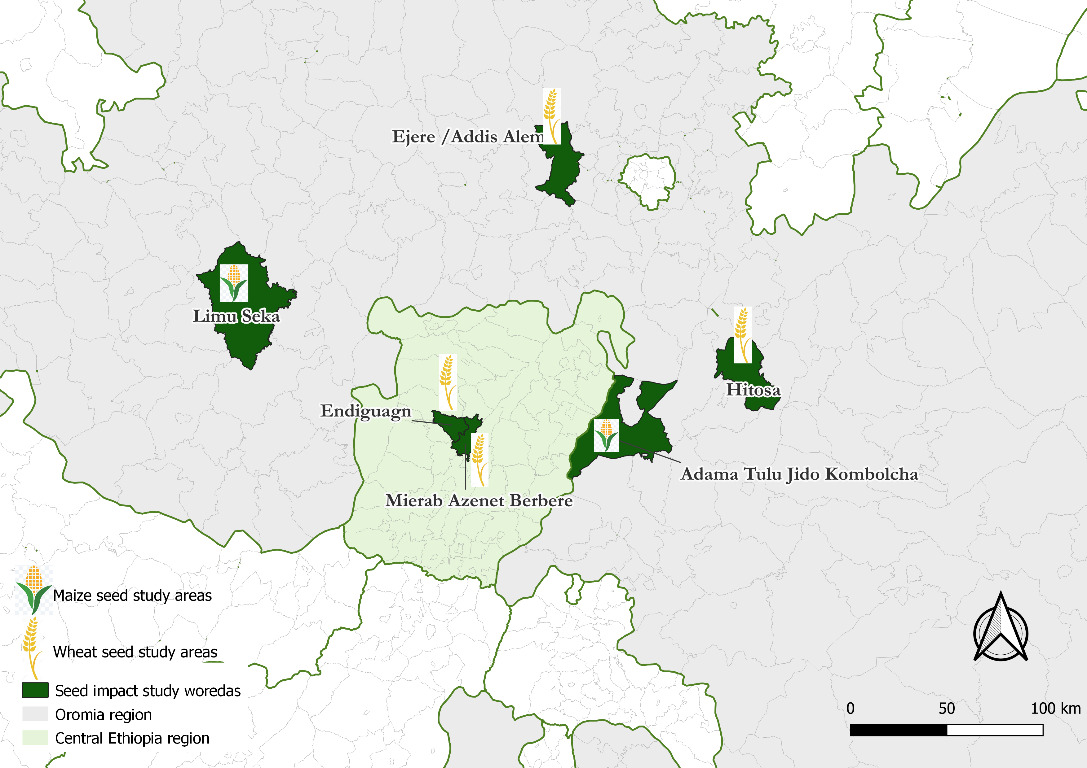
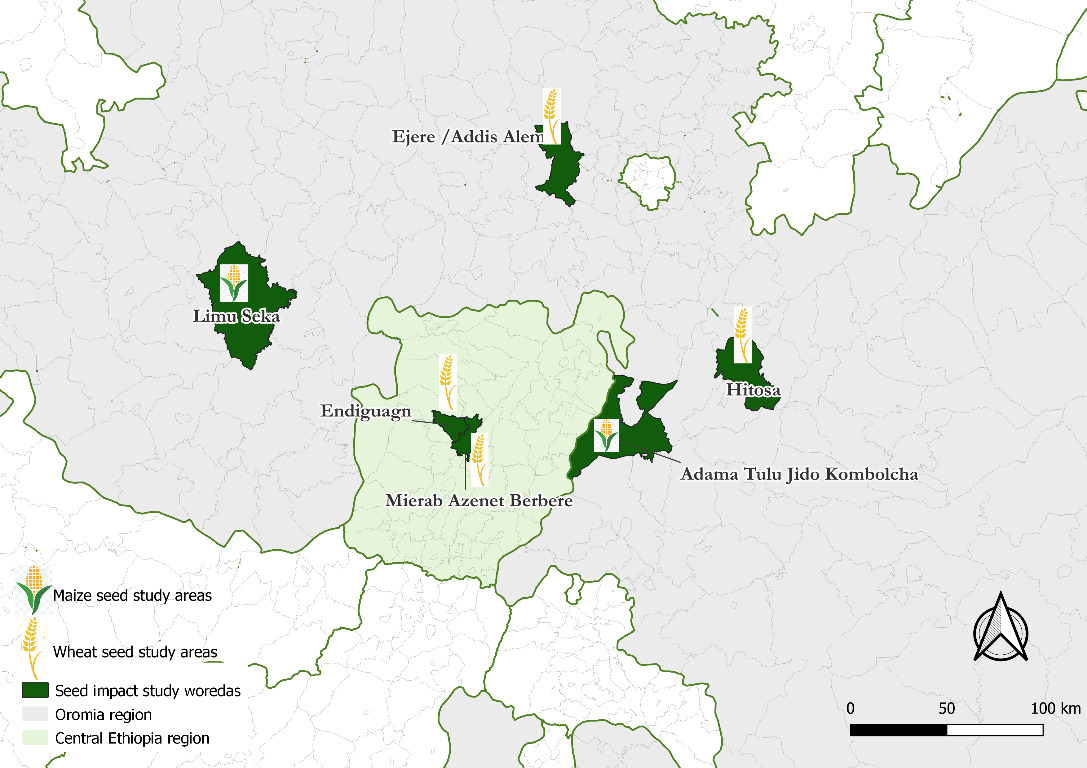
The study focused on two major cereal crops, maize and wheat, which are key staples and priority crops in these regions. The sample was limited to end-user farmers who accessed improved seed primarily through farmer cooperative unions and affiliated channels. The study was conducted in the Oromia and Central Ethiopia regions, covering six zones and six woredas (Figure 1).
We surveyed 426 respondents: 365 farmers from Oromia and 60 farmers from Central Ethiopia (Oromia has a much larger population than Central Ethiopia; accordingly, ETA’s interventions reach more participants in Oromia). The sampled households were drawn from the ETA database, specifically from beneficiaries of various interventions aimed at improving access to seed distribution. We used a structured sampling approach to select representative households. The average age of respondents was 42.7 years, with an average household size of 6.5 members. Male respondents accounted for 79.1% of the sample, and 20.7% were female. Maize producers constituted 71.6% of respondents, and wheat producers accounted for 28.2%. Maize farmers accounted for a larger proportion of participants because improved seed support for maize has existed longer both in general and under the ETA program. Relatedly, many maize farmers were expecting improved seed, and accustomed to using improved seed, but experienced seed shortage, leading to greater program support and farmer participation.
We used a cross-sectional quantitative household survey design to collect data from a representative sample of households at a single point in time. A structured questionnaire collected data on demographics, seed access, adoption, yields, satisfaction, and constraints. In addition, we conducted key informant interviews with seed-distributing cooperative unions and related stakeholders to capture comprehensive information from both the supply and demand sides of the seed system.
Limitations to our methodology included a lack of available data on maize yields using traditional seed. This is because in these regions, farmers were already accustomed to using improved maize seed and worked hard to access it. Because we could not sample maize farmers using traditional seed, we were unable to measure the difference in yield in maize from traditional seed to improved seed. Additionally, our study did not include a control group or random sample. We did not examine other factors influencing yield, such as soil condition, planting practices, rainfall, or fertilizer use in relation to improved and traditional seed. Last, this study focused on the effects of improved seed adoption in maize and wheat, two major staple crops that play a critical role in household food availability and food security. Although the findings provide important insights into the relationship between improved seed use and crop productivity, the study did not examine impacts on dietary quality, dietary diversity, or the production and consumption of nutrient-dense crops. Future research could explore whether and how improved seed interventions contribute to broader nutrition outcomes and improved access to diverse and nutritious foods.
Results
Taken together, our analysis shows that interventions to promote improved seed do lead to measurable increases in yield. However, farmers express some concerns about sustainable access and affordability to continue using improved seed.
Farmers Want to Use Improved Seed
Overall, adoption of improved seed is high, received predominantly through cooperatives, though challenges remain in timely delivery, access distance, and affordability.
All farmers under the study adopted improved seed, indicating a very high acceptance of the intervention. However, a difference was observed in the proportion of land covered by improved seed (Figure 2). Looking at wheat and maize farmers together, 11.6% still used improved seed on less than 25% of their land, 35.1% of farmers planted improved seed on 25%–50% of their land, 16.7% of farmers planted improved seed on 51%–75%, 9.6% planted improved seed on than 75%–99% of their land, and 27.1% used it on 100% of their cultivated area. Although the adoption of improved seed was high, most farmers did not allocate 100% of their cultivated land to improved seed varieties. This may be attributed to limited availability and affordability of improved seed as well as risk management, given that some farmers were testing the seeds for the first time and may have used local varieties of seed on some of their land for comparison and managing uncertainty.
Differences in the percentage of land cultivated with improved seed were also seen in the type of crop. In the case of maize, 100% of participants planted improved seed on their entire cultivated land. In contrast, among wheat producers, 64% of participants used improved seed on their entire cultivated land, and 36% of wheat producer participants used improved seed on less than 50% of their wheat farmland—the remaining land was planted with traditional wheat seed varieties. Overall, the findings suggest strong but not yet complete adoption of improved seed at full-farm scale.
In addition to support for adopting seeds (82.4% of farmers surveyed), farmers received complementary support to improve agricultural production and productivity through a market systems approach. Training was the most-reported support, received by 90.2% of farmers, followed by fertilizer support (78.4%). In addition, 75.5% of farmers participated in field days, and 71.6% received field demonstration support. The high rates of adoption suggest that ETA’s interventions to promote improved seed through unions and private sector actors, coupled with training and demonstrations encouraging farmers to apply the knowledge gained, did improve access to seeds and contribute to long-term input supply systems.
The findings show that cooperatives were the main source of improved seed, serving about 69.9% of farmers. ETA direct support was the second-most common source, serving 18.8% of farmers, followed by private companies (9.4%) and other sources (7.4%). Government institutions and unions each accounted for 4.8%, whereas agro-dealers were the least-used source, at only 0.4%. Some farmers obtained improved seed from more than one source.
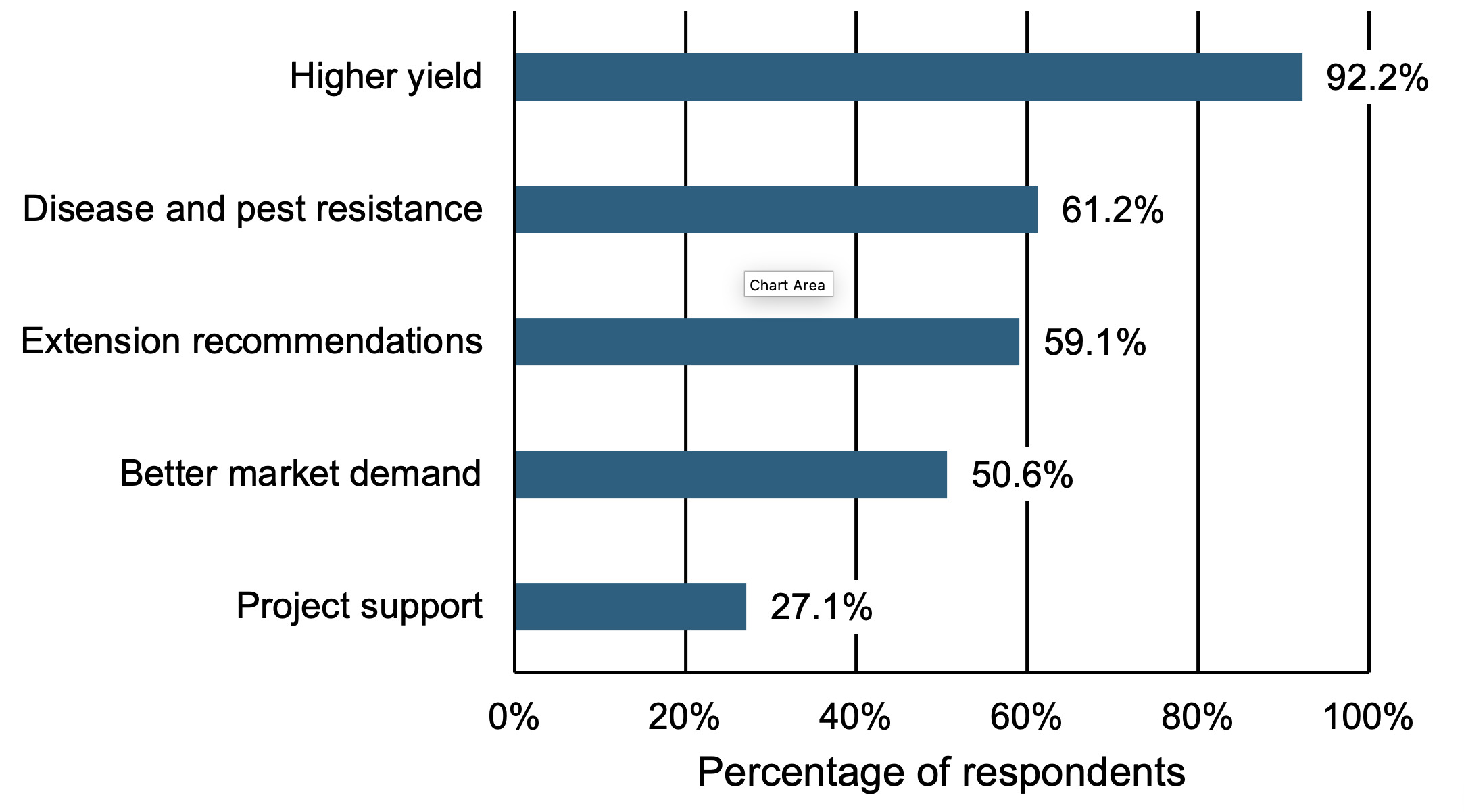
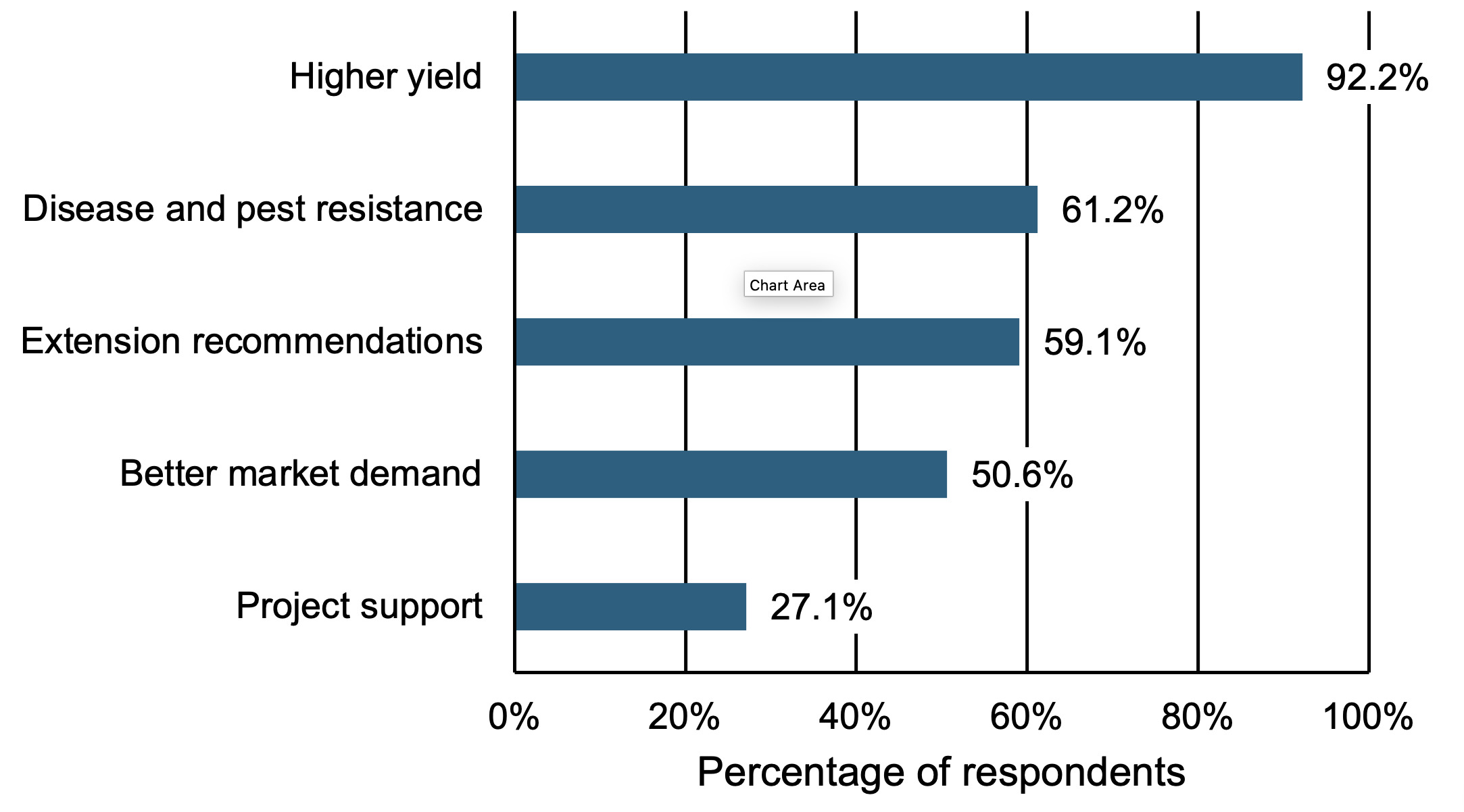
Farmers cited multiple reasons for adopting improved seed (Figure 3). Almost all farmers (92.2%) cited higher yield as the main reason for adoption, making it the dominant driver. This was followed by agronomic benefits such as disease and pest resistance (61.2%), extension recommendations (59.1%), and better market demand (50.6%). In addition, 27.1% of farmers reported access through project support as a reason for adoption. Overall, the results indicate that farmers’ adoption of improved seed is driven by a combination of productivity gains, resilience benefits, market incentives, and institutional support.
Improved Seed Led to Measurable Increases in Yield
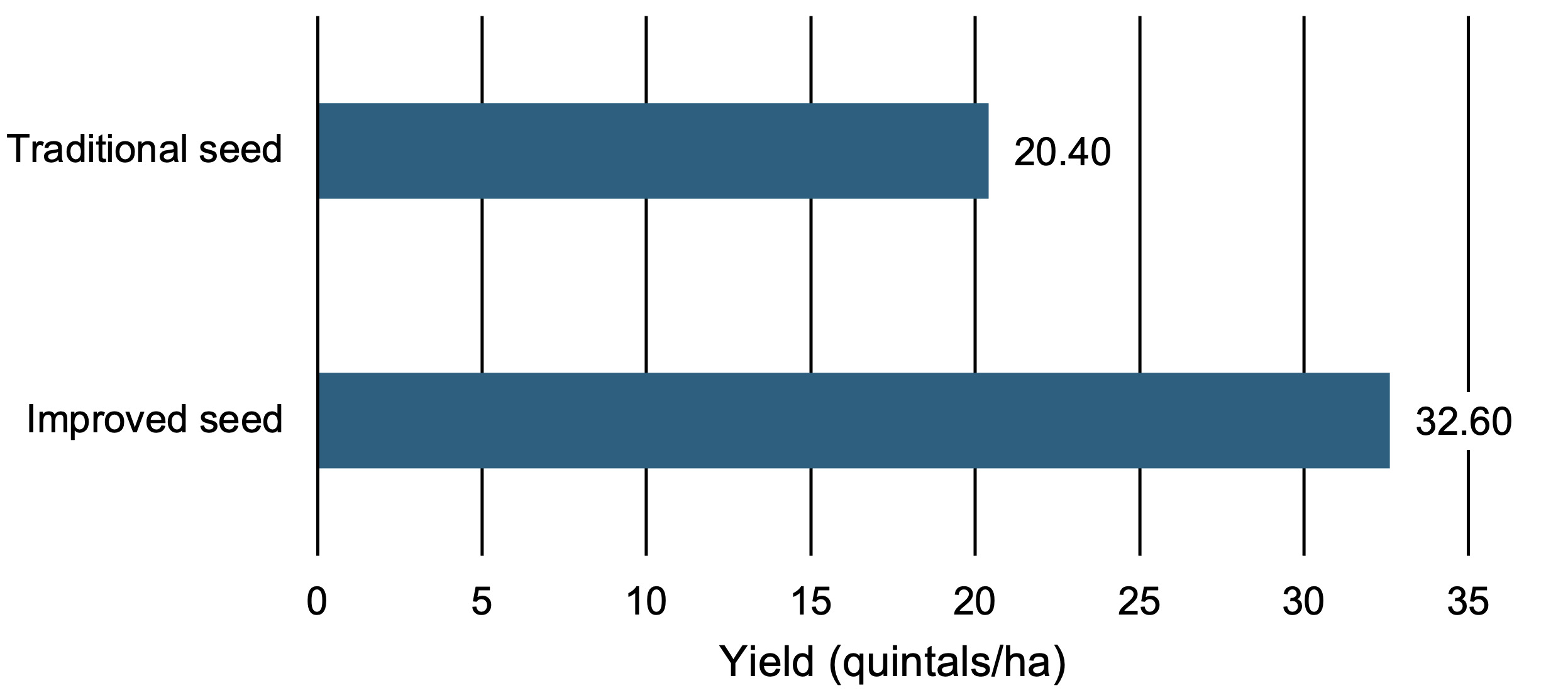
Farmers reported clear improvements in productivity after adopting improved seed. About 56% said their yields were much higher than yields with traditional local seed varieties, and 41.3% said they were slightly higher, while only 2.1% reported lower yields. The productivity data supports these perceptions (Figure 4). For wheat, average productivity increased from 20.4 quintals/ha (2.4 tons/ha) under local varieties to 32.6 quintals/ha (3.2 tons/ha) under improved varieties, representing an increase of about 60%. This finding is consistent with national evidence showing that the Government of Ethiopia has prioritized the dissemination of improved wheat varieties as a key strategy to increase productivity, with national wheat yields rising from approximately 3.25 t/ha in 2024/2025 to a projected 3.41 t/ha in 2026/2027, supported by expanded adoption of improved seed, irrigation, mechanization, and strengthened extension services (Ethiopian Institute of Agricultural Research (EIAR), 2024; United States Department of Agriculture (USDA), 2026). For maize, farmers using improved seed achieved an average productivity of 32.2 quintals/ha. Although local maize yield data comparing traditional seed to improved seed was not available in this survey, this result aligns with broader evidence that improved maize varieties in Ethiopia generally produce much higher yields than local varieties (Abate et al., 2015; Ethiopian Institute of Agricultural Research (EIAR), 2024).
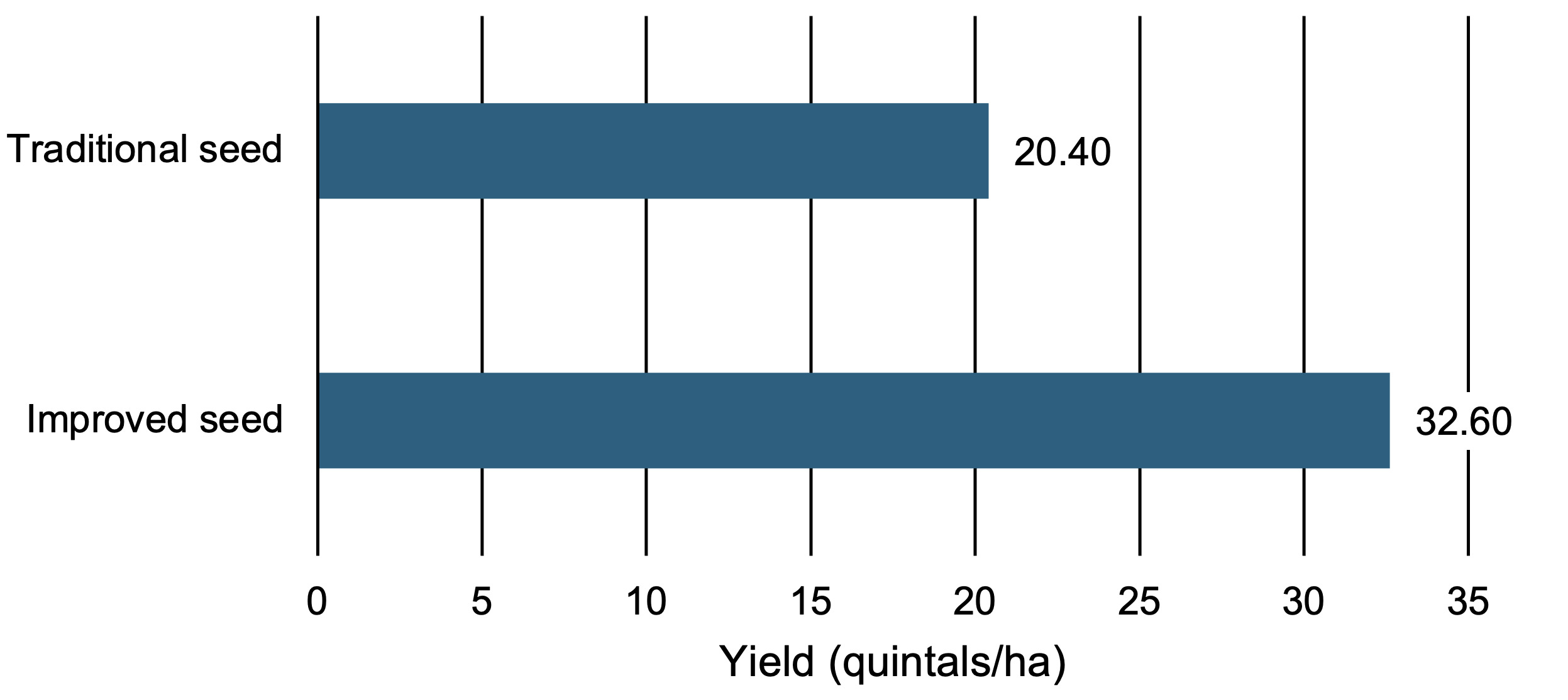
Overall, these results indicate that improved seed technologies contributed significantly to higher crop productivity and better agricultural performance among participating farmers.
Challenges Remain in Access to Improved Seed
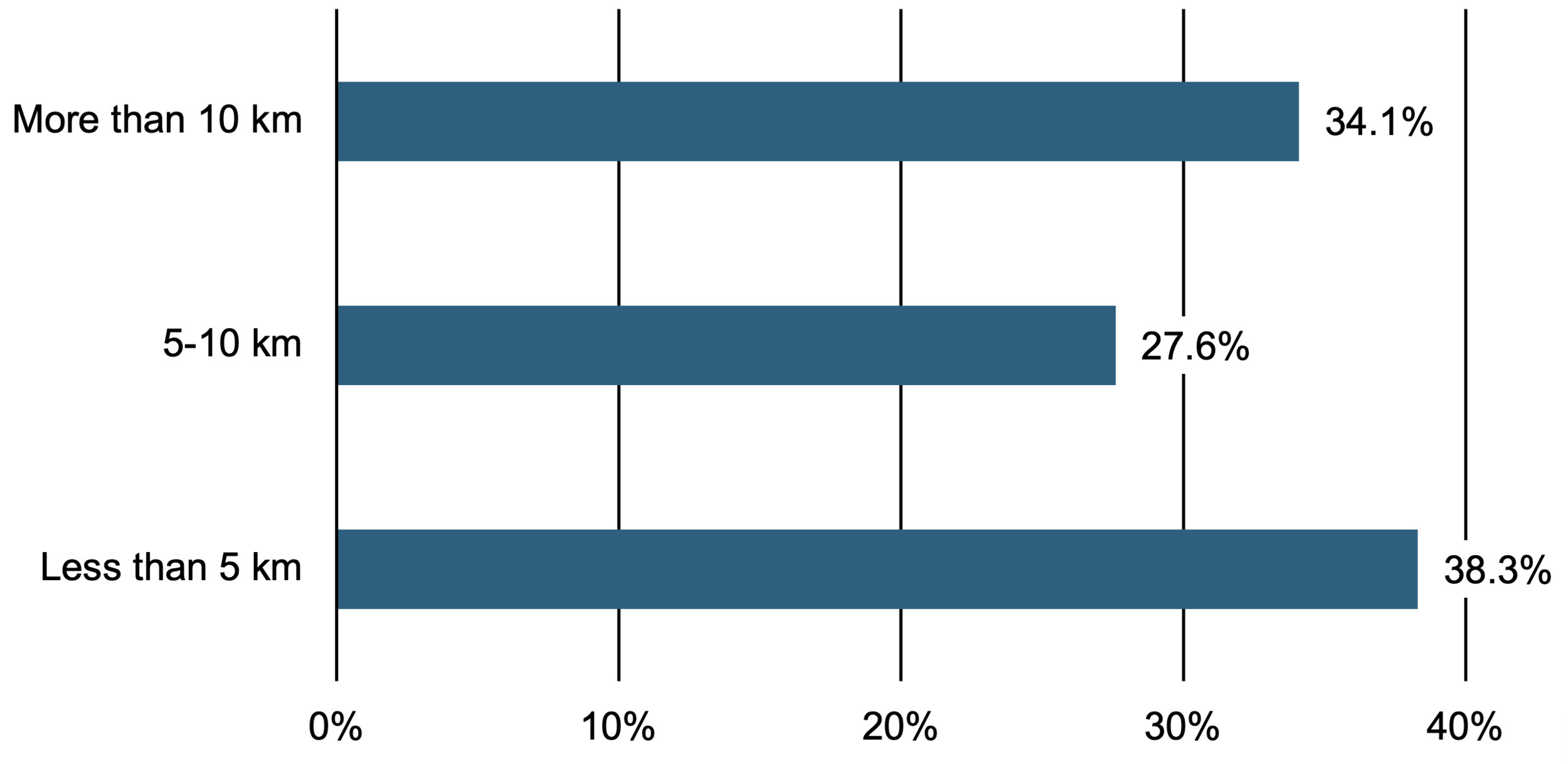
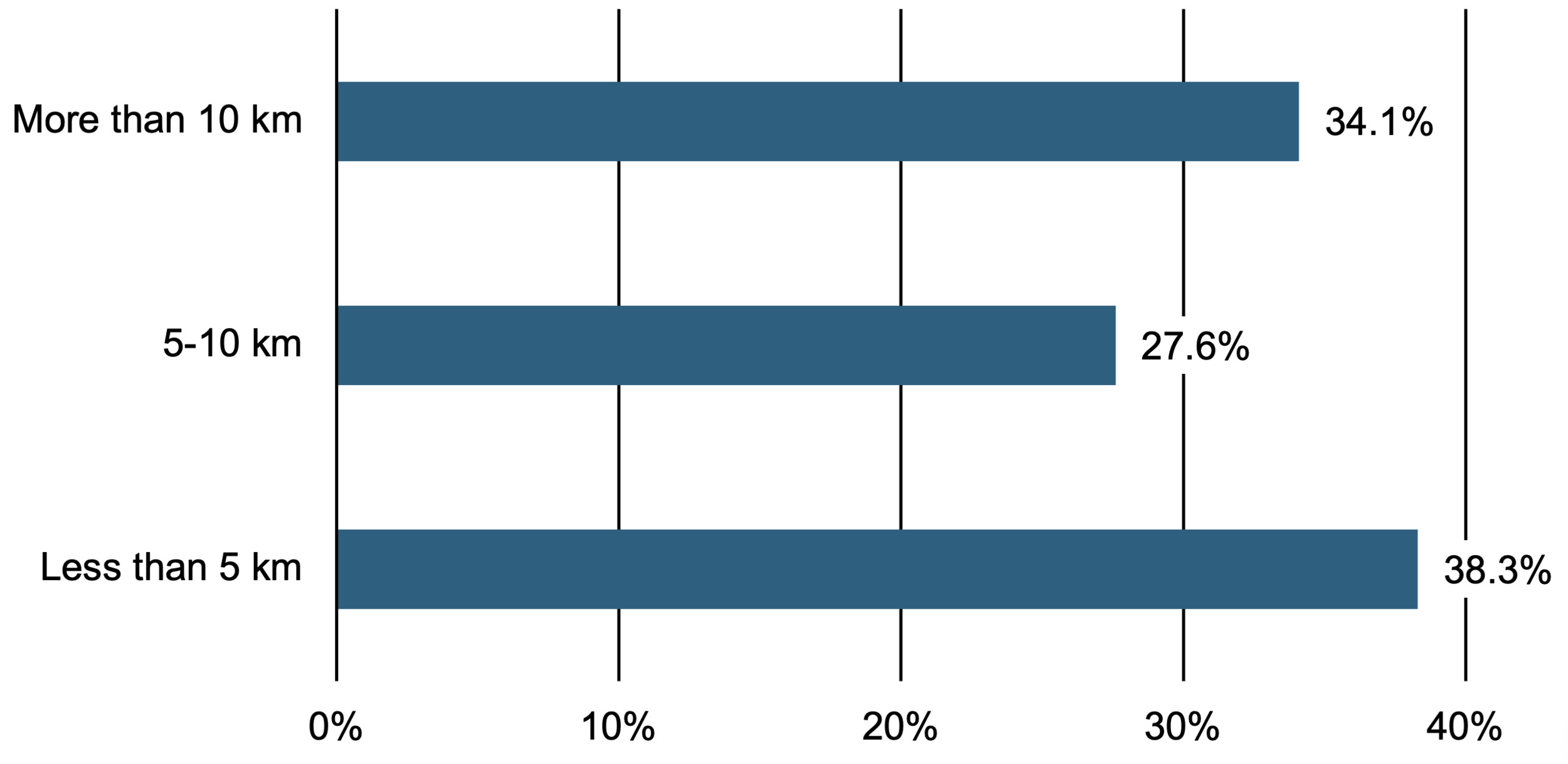
Access to improved seed sources remains a concern for some farmers, even though they were actively using improved seeds during this study. The major challenges were market distortion and untimely seed supply. When farmers could not obtain improved maize seed on time, they often substituted it with other crops. About 38.3% of respondents reported that the nearest improved seed source was within less than 5 km from their home, while 27.6% traveled 5 km to 10 km. 34.1% of farmers reported traveling more than 10 km, indicating that improved seed sources are not always located within nearby areas for farmers (Figure 5).
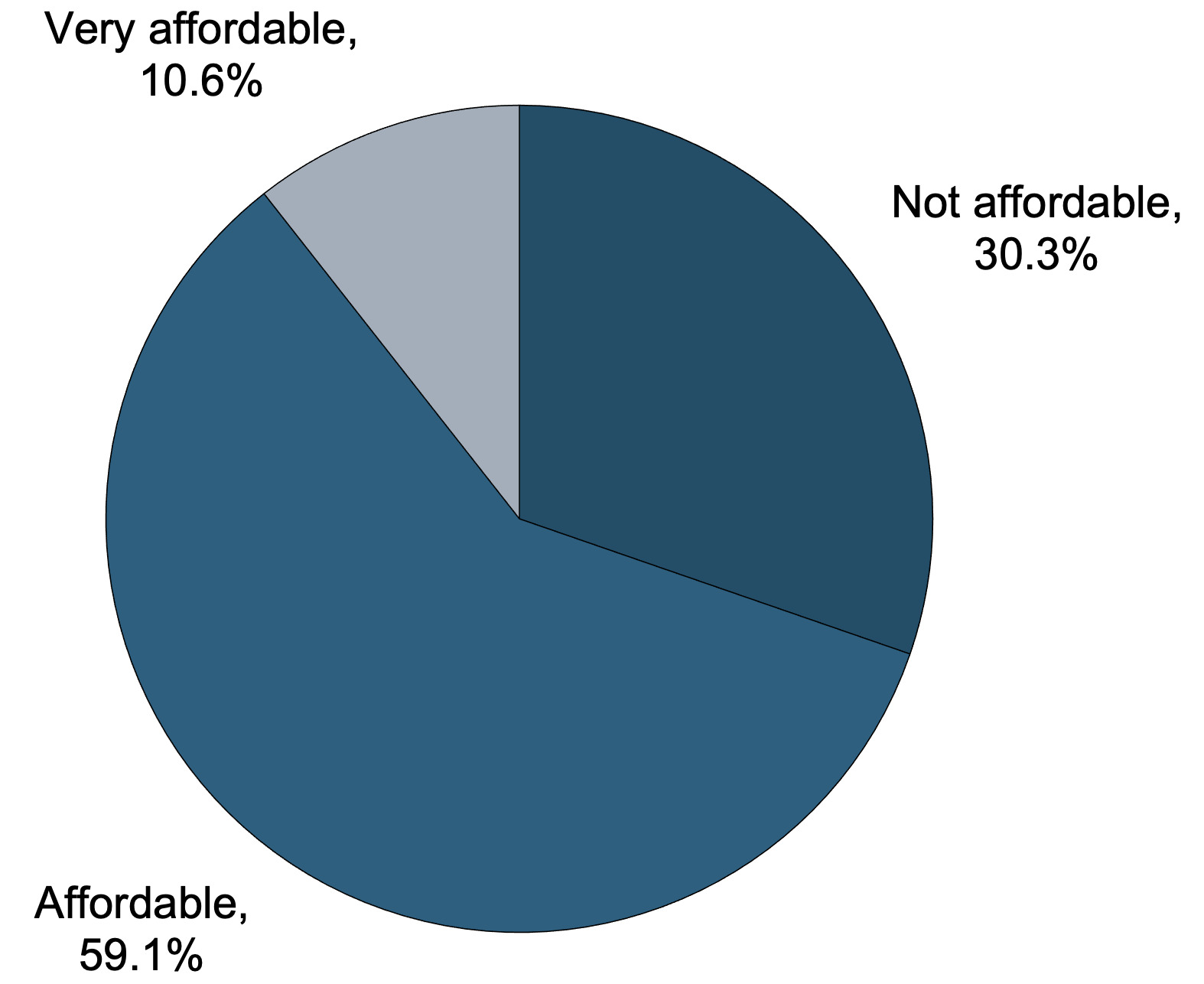
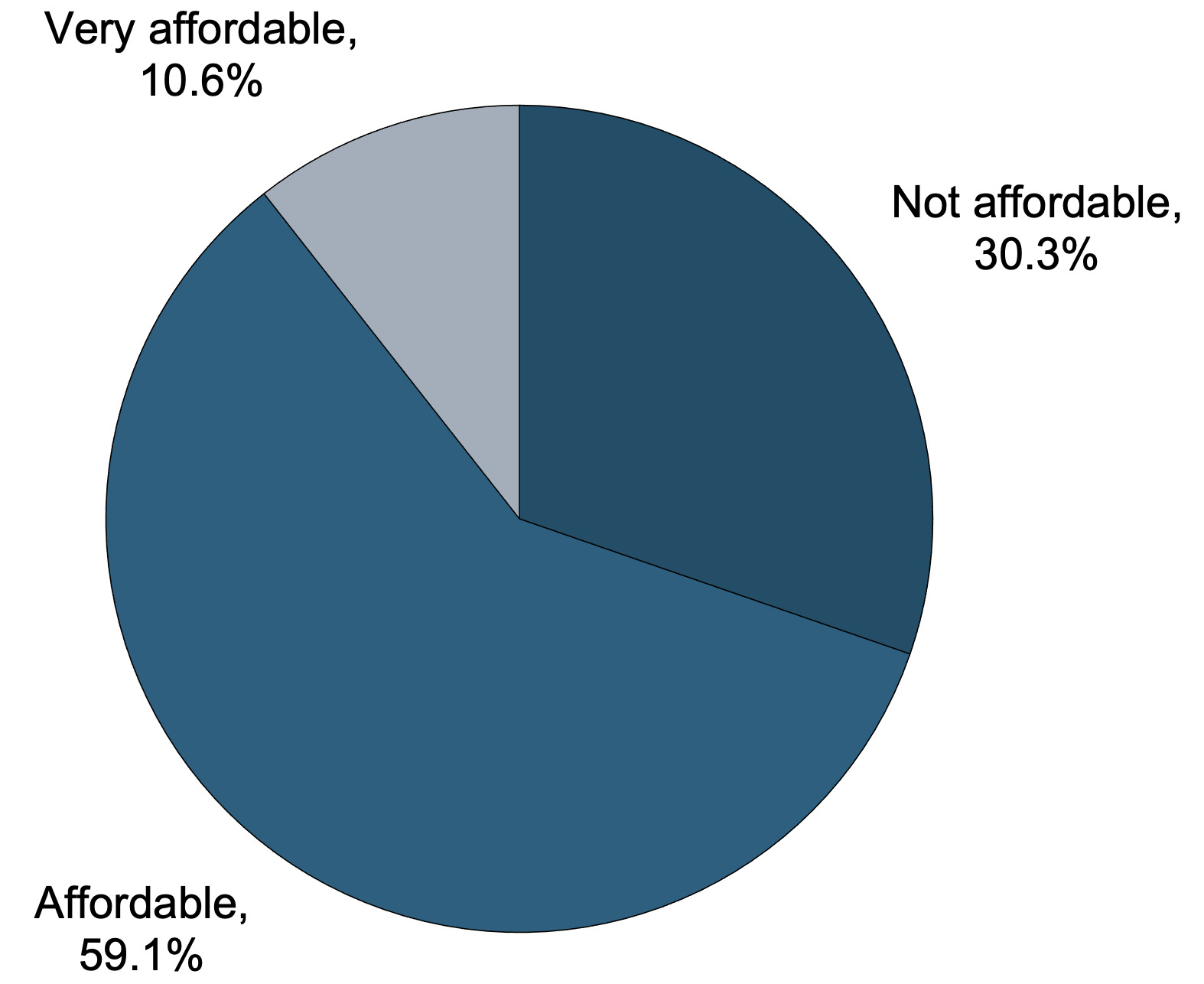
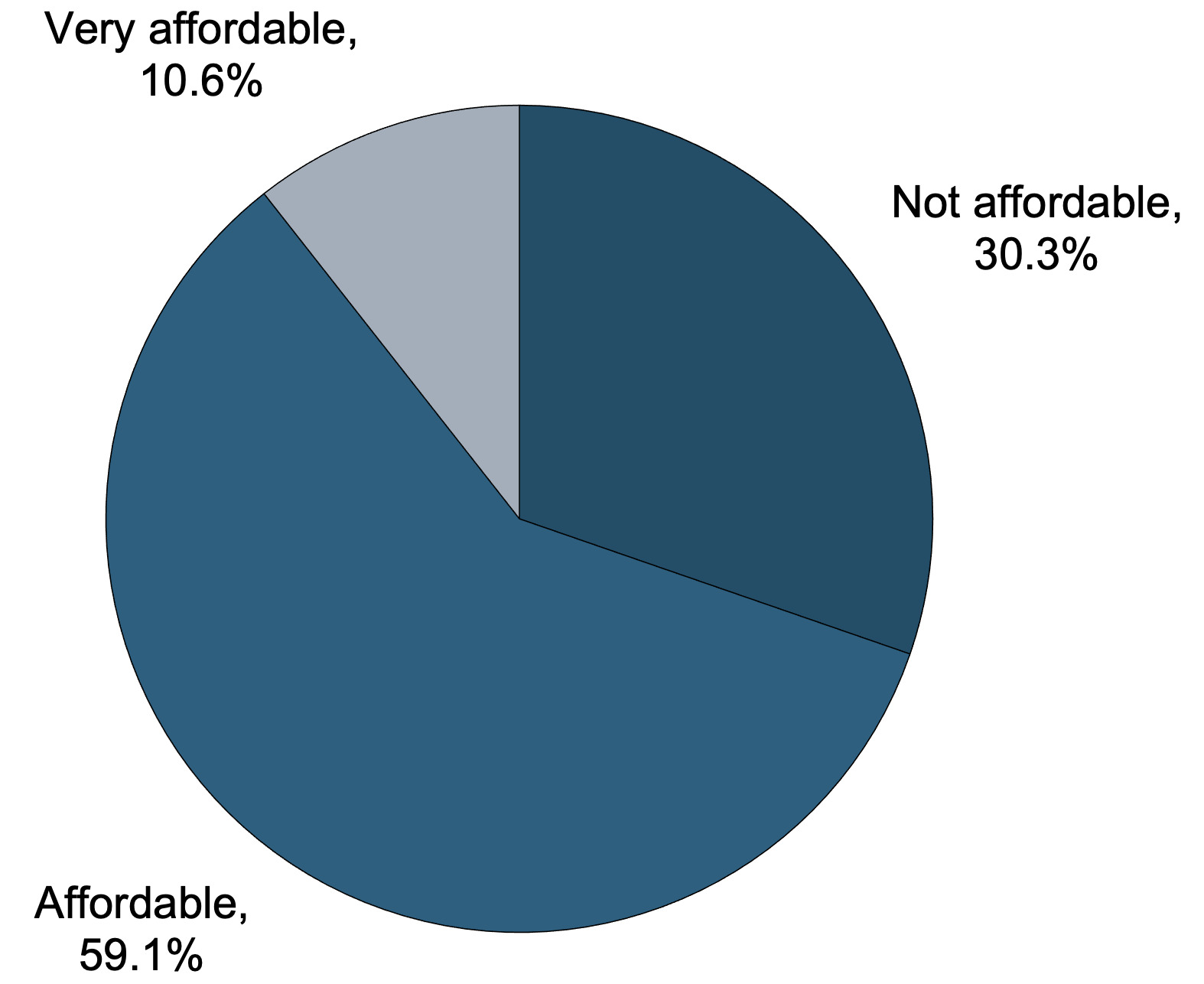
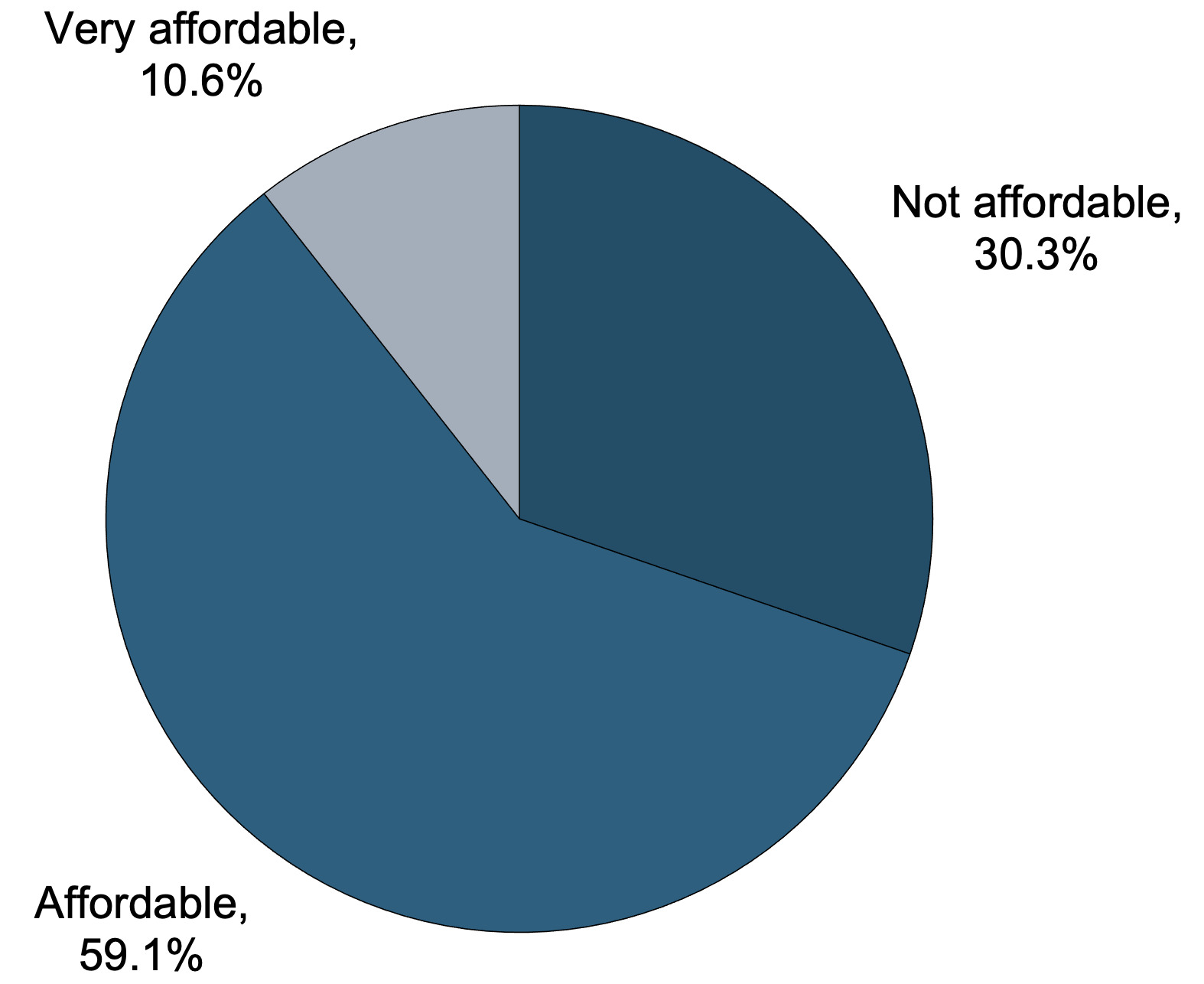
Despite these access constraints, farmers say that the availability of improved seed has improved from previous years, with 58.1% of farmers reporting it as somewhat improved and 36.7% as much improved. In terms of timely access, only 38.3% of farmers received improved seed on time for planting, showing a major timing constraint. Regarding seed quality, most farmers rated the improved seed positively, with 55.5% reporting it as good and 25.2% as very good (15.5% rated it as fair and only 3.8% rated it as poor). In terms of affordability, 59.1% of farmers considered improved seed affordable and 10.6% considered it very affordable; however, the remaining 30.3% reported that it was not affordable, suggesting that although quality and availability are generally improving, challenges remain in timely delivery, access distance, and affordability (Figure 6).
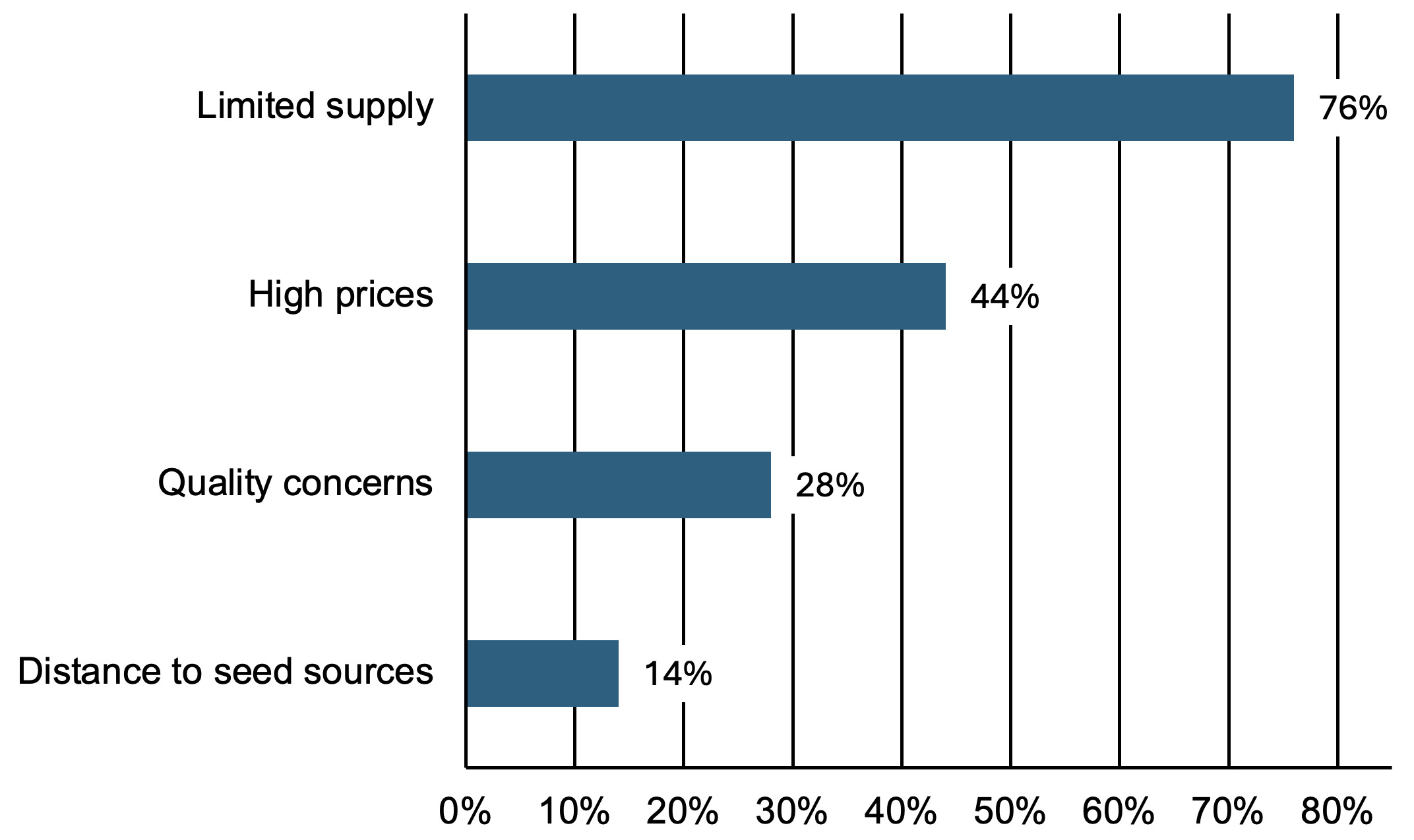
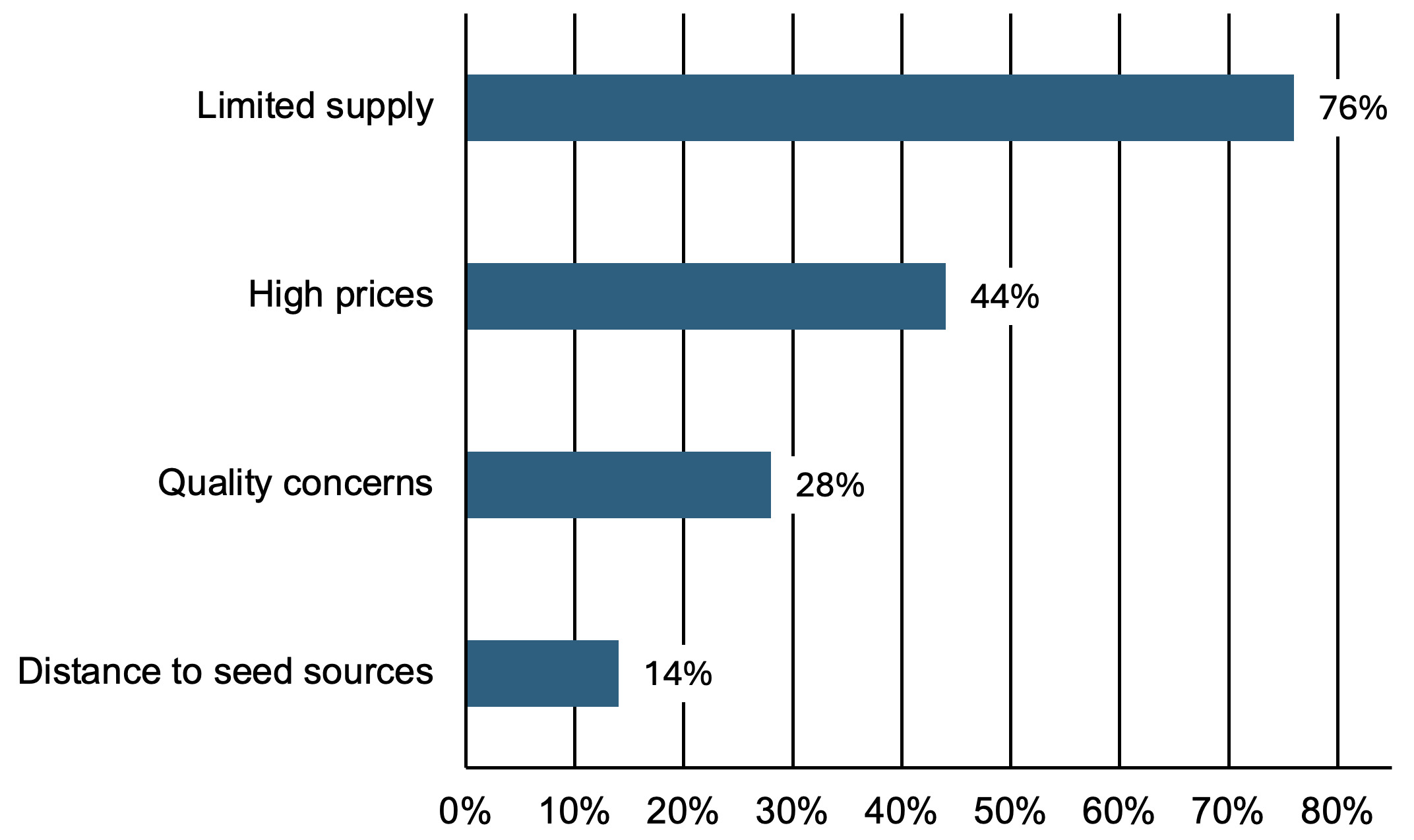
A significant proportion of farmers expressed concerns about the sustainability and reliability of the improved seed supply system. More than half (55.1%) did not believe that improved seed would be available without continued project support, and 27.5% were uncertain, indicating a general fear that the system may not be sustained in the long term. Similarly, 34.9% of farmers consider the current seed supply system unreliable, suggesting concerns about consistency in seed availability and delivery. These perceptions are closely linked to access constraints farmers reported. The most-reported challenge was limited supply (76.2%), followed by high prices (43.8%), quality concerns (28.0%), and distance to seed sources (14.4%) (Figure 7). Overall, these findings suggest that farmers’ concerns about sustainability and reliability are largely driven by persistent access and supply-side constraints in the seed system.
Conclusions and Recommendations
The findings demonstrate that this intervention improves farmer uptake of improved seed and increases agricultural productivity. Given that increased production is directly linked to household income in smallholder farming systems, the observed yield improvements are likely to translate into higher farm incomes. We acknowledge that this research is only one piece of understanding factors that influence improved yield. We did not investigate other features affecting yield, such as soil composition or rainfall, nor did we consider the agronomic practices associated with using different types of seed, such as planting and harvesting. We also did not conduct an economic analysis or consider the costs versus benefits of using improved seed. Still, these findings offer valuable evidence for future program implementors on the value of interventions to promote adoption of improved seed varieties. Additional research on other factors influencing yield and the use of improved seed would further illuminate the patterns reported here.
Recommendations for Future Agricultural Programs
-
Improve seed distribution systems: Address delays in seed delivery and reduce distance barriers by strengthening local private commercial seed multiplication and distribution centers.
-
Enhance integration with support for other inputs: Combine improved seed provision with timely access to fertilizers and agronomic support to maximize yield potential.
-
Continue farmer capacity-building: Continue and expand training, field days, and demonstrations, as these have proven highly effective in driving adoption and productivity gains.
-
Strengthen and sustain improved seed systems: Expand access to improved wheat and maize seed through cooperatives, unions, and private-sector actors while strengthening local seed systems to ensure long-term availability and reduce dependence on continued project support
-
Future research could explore the pathway by which improved seed adoption indirectly influences nutrition outcomes through increased income. Studies that seek to link agricultural productivity interventions with household nutrition and income monitoring would help capture the full impact of improved seed adoption on food security and dietary quality.
Data Availability Statement
The data supporting the current study are available from the authors upon reasonable request.
Acknowledgments
Although the results and interpretation presented here are entirely our own, we could not have conducted this study without input, support, and feedback from many others. We are grateful to Feed the Future Ethiopia Transforming Agriculture (ETA) staff members, particularly Ian Chesterman, Chief of Party, for the inspiration and encouragement and the crop technical teams, and Oromia and Central Ethiopia staff, particularly Firaol Taressa, for their guidance and support in during the study. These staff members supported this research throughout while also allowing us to carry it out independently. We are grateful to Tebeje Nigussie and Meghan Anson for comments on an earlier draft and appreciate helpful comments from the anonymous reviewers. This research was made possible through support provided by the United States of America under Contract No. 72066323C00003. The views expressed here are those of RTI International and do not necessarily reflect the views of the US Department of State or the US Government.